
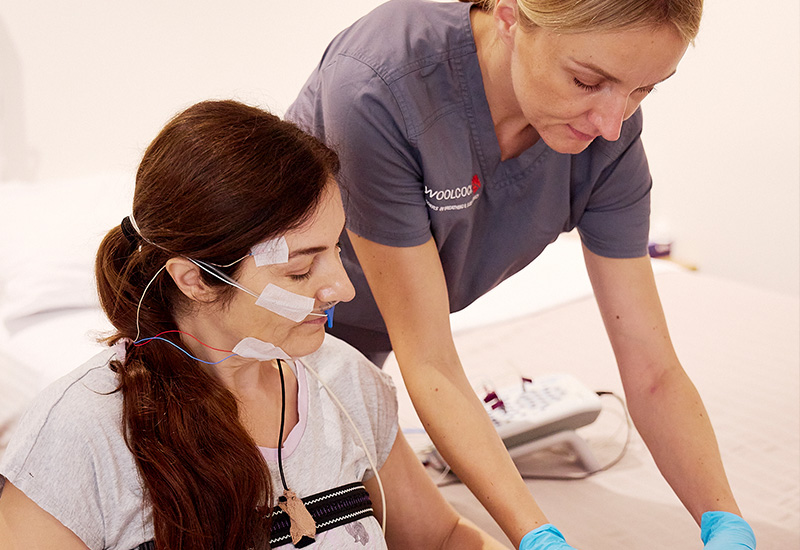
Sleep Study Cost Australia: 2026 Price Breakdown Explained
This guide breaks down the most common 2026 price ranges Australians see, plus the fees that catch people out.
What does a sleep study typically cost in Australia in 2026?
When researching sleep study cost Australia, most people will land in one of these buckets:
- Bulk-billed or low-gap (selected clinics, GP referral required): $0 to $300
- Private at-home sleep test (HSAT): $250 to $800
- Private in-lab diagnostic study (polysomnography): $1,200 to $2,800
- In-lab split-night or complex studies: $1,800 to $3,500+
Prices vary by state, clinic overheads, and whether a specialist consult is bundled.
Which type of sleep study is the cheapest?
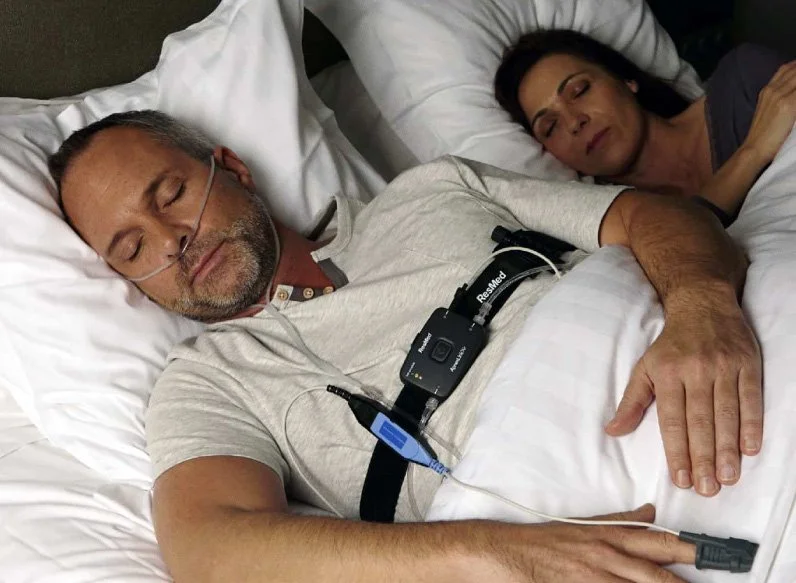
At-home sleep tests (HSAT) are usually the cheapest paid option because they use fewer channels than a lab study and don’t require overnight staffing. Many clinics price HSAT as a flat fee that includes device hire and a basic report.
They are typically used when obstructive sleep apnoea is strongly suspected and the case is straightforward.
Which type of sleep study is the most expensive?
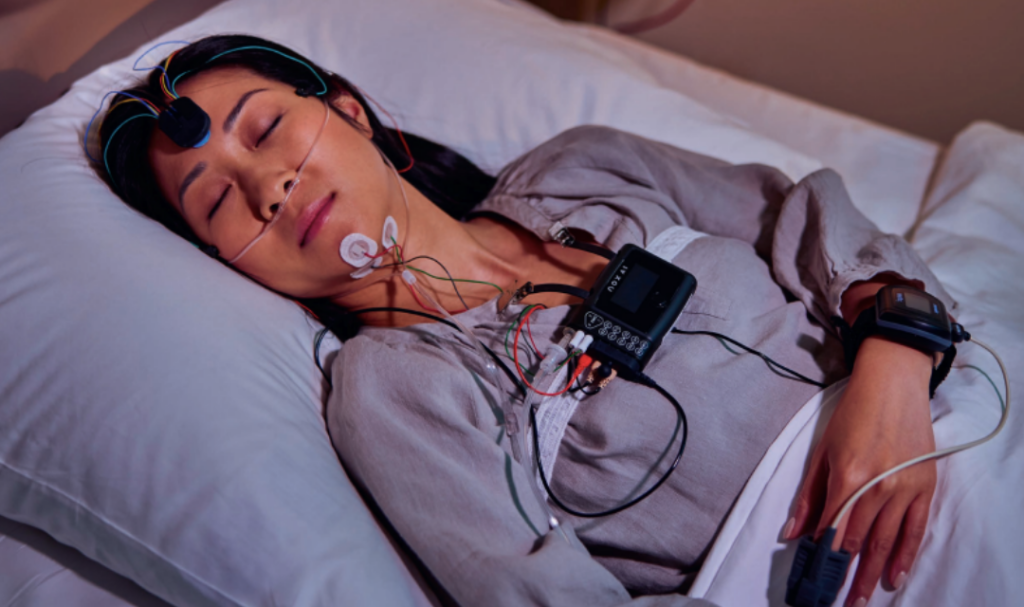
In-lab polysomnography (PSG) is usually the most expensive because it involves an overnight stay, more sensors, and supervised monitoring. It’s often ordered when symptoms are complex, when earlier testing was inconclusive, or when conditions beyond simple obstructive sleep apnoea are suspected.
Some of the priciest bookings involve urgent scheduling, extended monitoring, or add-on testing.
How much do public hospital sleep studies cost?
In the public system, the study itself is often low-cost or free for eligible patients, but the real “cost” is usually the wait time. Some people wait months for an appointment and longer for follow-up.
They may also still pay for GP visits, specialist appointments outside the public pathway, and any equipment they choose to buy later.
How much do private sleep clinics charge?
Private clinics typically charge for a package that includes the study plus at least one interpretation step. Common 2026 ranges are:
- HSAT package: $250 to $800
- In-lab PSG: $1,200 to $2,800
- Complex or split-night PSG: $1,800 to $3,500+
Some clinics advertise a low study price but bill separately for consults, scoring, or follow-up, so the itemised quote matters.
What does Medicare cover for sleep studies?
Medicare may contribute to parts of the diagnostic pathway, but the out-of-pocket amount depends on provider billing, test type, and how services are itemised. In practice, people see outcomes ranging from bulk-billed to hundreds in gaps, especially when specialist consults and reporting are separate.
They should ask the clinic for a written quote showing what is billed to Medicare, what is privately billed, and what is payable on the day.
How does private health insurance affect the price?
Private health insurance may reduce out-of-pocket costs when the study is done in a setting covered by the policy, but coverage varies widely. Their insurer may treat an in-lab study as a hospital service (with excess) while excluding or limiting outpatient diagnostics.
They should confirm three things before booking: hospital eligibility, excess/co-pay, and whether the doctor’s fees are included or billed separately.
What extra fees increase the total cost?
The study fee is not always the whole bill. Common add-ons include:
- Initial sleep physician consult: $200 to $450+
- Follow-up consult: $150 to $350+
- Report/scoring fee (if not bundled): $100 to $400
- CPAP titration or split-night upgrade: $300 to $1,000+
- Multiple Sleep Latency Test (MSLT) or other specialised testing: often adds $800 to $2,000+
- Equipment hire deposits or replacement fees if devices are damaged or late
A clinic that offers “cheap testing” can still end up expensive if consults are mandatory and unbundled.
What is the realistic “all-in” cost for common scenarios?
These examples reflect typical 2026 totals people encounter:
- Straightforward HSAT, no insurance, one consult included: $350 to $900
- HSAT plus separate specialist consults: $500 to $1,300
- In-lab diagnostic PSG plus consult and follow-up: $1,600 to $3,400
- Complex pathway (PSG plus MSLT or titration plus multiple consults): $2,500 to $5,500+
The biggest driver is whether the pathway needs a lab study and whether follow-ups are bundled.
How can they reduce sleep study costs without compromising care?
They can often cut costs by being deliberate before booking. The best options are usually administrative rather than medical shortcuts. Learn more about what happens during a sleep study in Australia?
Practical steps:
- Request an itemised quote before confirming the appointment.
- Ask whether the clinic bulk-bills any part of the pathway.
- Compare HSAT vs in-lab based on clinical suitability, not price alone.
- Confirm what’s included: device hire, scoring, report, consult, follow-up.
- Check insurer pre-approval and expected out-of-pocket in writing.
- Avoid duplicate testing by sending prior results to the new provider.
What should they ask a clinic before paying?
A quick set of questions can prevent surprise bills:
- What is the total out-of-pocket for the study, interpretation, and follow-up?
- Is the price bundled, and what exactly is included?
- What is billed to Medicare, and what is privately billed?
- If an in-lab study is recommended, is it diagnostic only or split-night/titration?
- Who reads the study, and is it a sleep physician?
- What is the expected timeline for results and next steps?
What’s the simplest way to estimate their 2026 sleep study price?
They should start by identifying the likely test type: HSAT if symptoms suggest uncomplicated obstructive sleep apnoea, or in-lab PSG if the case is complex. Then they should ask for a single, itemised total that includes consults and reporting.
In most cases, that one quote reveals whether the real 2026 cost will be closer to $400 or closer to $3,000.
FAQs (Frequently Asked Questions)
What is the typical cost range for a sleep study in Australia in 2026?
In 2026, sleep study costs in Australia vary widely depending on the type and setting. Bulk-billed or low-gap studies can cost between $0 to $300, private at-home sleep tests (HSAT) range from $250 to $800, private in-lab diagnostic studies (polysomnography) typically cost $1,200 to $2,800, and complex or split-night in-lab studies may exceed $3,500.
Which type of sleep study is generally the most affordable option?
At-home sleep tests (HSAT) are usually the cheapest paid option because they use fewer sensors and don't require overnight staff. Many clinics offer HSAT as a flat fee including device hire and a basic report, making it cost-effective for straightforward obstructive sleep apnoea cases.
How much do public hospital sleep studies cost and what are the trade-offs?
Public hospital sleep studies are often low-cost or free for eligible patients; however, the main trade-off is longer wait times which can span months. Patients might still incur costs for GP visits, specialist appointments outside the public system, and any equipment purchases later on.
What additional fees should I expect beyond the base sleep study price?
Additional fees can include initial sleep physician consultations ($200-$450+), follow-up consults ($150-$350+), report or scoring fees if not bundled ($100-$400), CPAP titration or split-night upgrades ($300-$1,000+), specialised tests like Multiple Sleep Latency Test (MSLT) which may add $800 to $2,000+, and potential equipment hire deposits or replacement fees.
Does Medicare cover sleep studies and how does it affect out-of-pocket costs?
Medicare may cover parts of the diagnostic pathway but out-of-pocket expenses depend on provider billing practices, test types, and itemisation of services. Patients experience outcomes ranging from bulk-billed to paying hundreds in gaps. It's important to request a written quote detailing Medicare coverage versus private billing before proceeding.
How can I reduce my total costs for a sleep study without compromising care quality?
To reduce costs without compromising care: request an itemised quote before booking; ask if any part of the pathway is bulk-billed; compare at-home HSAT versus in-lab studies based on clinical needs rather than just price; confirm inclusions such as device hire, scoring, reports, consults, and follow-ups; verify private health insurance coverage and pre-approval; and avoid duplicate testing by providing prior results to your provider.
{
"@context": "https://schema.org",
"@type": "BlogPosting",
"mainEntityOfPage": {
"@type": "WebPage",
"@id": "https://villagehealthfoundation.org/sleep-study-cost-australia-2026-price-breakdown-explained/"
},
"headline": "Sleep Study Cost Australia: 2026 Price Breakdown Explained",
"image": [
"https://villagehealthfoundation.org/wp-content/uploads/2026/03/2.png",
"https://villagehealthfoundation.org/wp-content/uploads/2026/03/apnealink.webp",
"https://villagehealthfoundation.org/wp-content/uploads/2026/03/Clinic-Services-Sleep-2.jpg"
],
"author": {
"@type": "",
"name": "Brodie French",
"url": "https://villagehealthfoundation.org/author/admin/"
},
"publisher": {
"@type": "Organization",
"name": "Village Health Foundation",
"logo": {
"@type": "ImageObject",
"url": "https://villagehealthfoundation.org/wp-content/uploads/2022/12/logo-health.png"
}
},
"datePublished": ""
}