Sleep Apnea in Children and Adults: Key Differences and Treatment Options
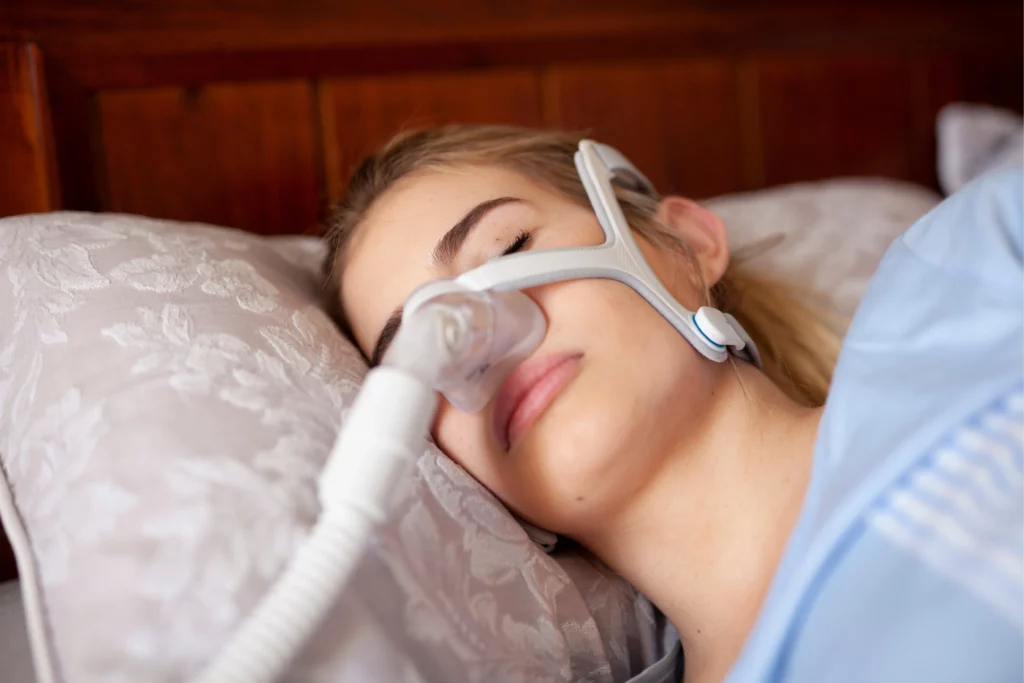
Sleep apnea is often thought of as a condition affecting adults, but it can also occur in children. Despite sharing similar symptoms, the causes, manifestations, and treatment approaches can differ significantly between the two age groups. Understanding these differences is essential for parents, caregivers, and adults seeking to maintain optimal sleep health and protect their cardiovascular health.
This article explores the key differences in sleep apnea across age groups, real-world examples, and the best treatment options, including CPAP therapy, lifestyle changes, and sleep studies.
What is Sleep Apnea?
Sleep apnea is a sleep disorder where a person’s breathing repeatedly stops and starts during sleep. These interruptions can last from a few seconds to minutes, often reducing oxygen levels in the blood and fragmenting sleep.
Common consequences include:
- Daytime fatigue and sleepiness
- Difficulty concentrating
- Increased risk of heart disease, high blood pressure, and stroke
- Mood disturbances and irritability
For example, John, a 52-year-old businessman, experienced chronic fatigue and hypertension. A sleep study confirmed moderate sleep apnea, and he started CPAP therapy alongside lifestyle changes, improving both his sleep quality and heart health.
See more : Philips Oxygen Concentrator Review: Is the EverFlo Right for You?
Key Differences Between Sleep Apnea in Children and Adults
1. Causes
- Children: Often caused by enlarged tonsils or adenoids, obesity, or craniofacial abnormalities.
- Adults: Frequently linked to obesity, lifestyle factors, alcohol use, smoking, and age-related changes in airway structure.
2. Symptoms
| Symptom | Children | Adults |
|---|---|---|
| Snoring | Loud and frequent | Common, may vary |
| Pauses in breathing | Observed by parents | Often unnoticed |
| Daytime behavior | Hyperactivity, irritability | Fatigue, depression |
| Learning/attention issues | Common in school-aged kids | Concentration difficulties |
| Morning headaches | Sometimes | More common |
Children may appear restless or hyperactive rather than sleepy during the day, which can be mistaken for behavioral issues.
3. Health Risks
- Children: Sleep apnea can impact growth, learning, and cardiovascular health, including high blood pressure.
- Adults: Untreated sleep apnea increases the risk of heart disease, stroke, diabetes, and cognitive decline.
Real-world example: Emma, a 7-year-old, struggled with concentration and frequent irritability at school. After a pediatric sleep study, she was diagnosed with obstructive sleep apnea and underwent adenotonsillectomy. Her attention and energy levels improved, showing the importance of early intervention.
Diagnosing Sleep Apnea: The Role of Sleep Studies
A sleep study (polysomnography) is the gold standard for diagnosing sleep apnea in both children and adults. These studies monitor:
- Brain activity
- Eye movement
- Heart rate and blood pressure
- Oxygen levels
- Breathing patterns
Early diagnosis is crucial to prevent complications such as heart strain and other systemic health issues.
Treatment Options for Sleep Apnea
1. CPAP Therapy
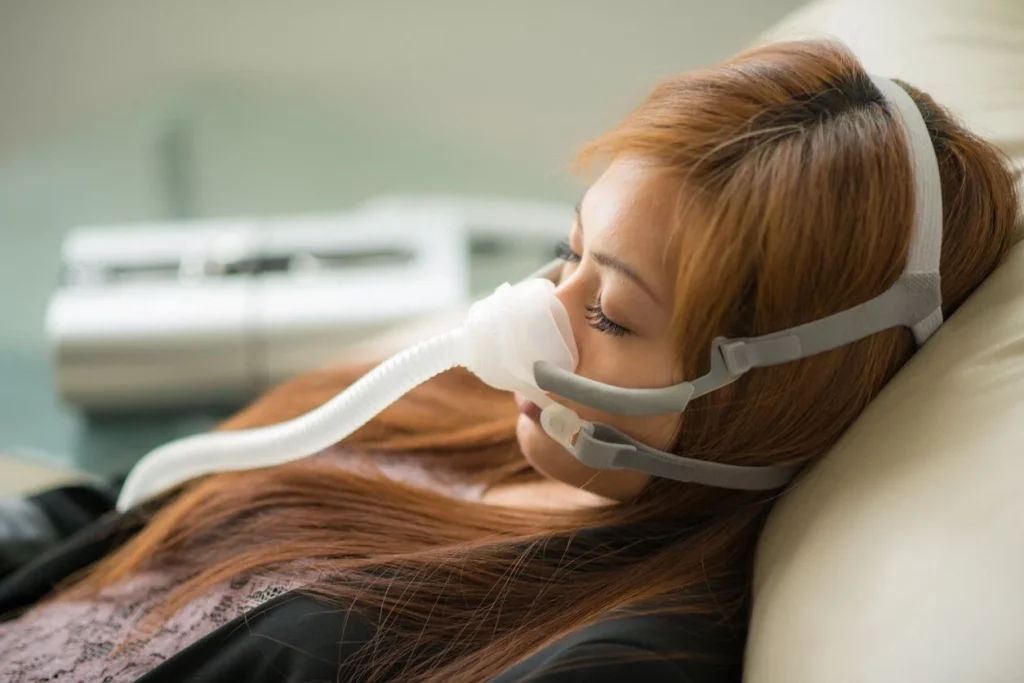
Continuous Positive Airway Pressure (CPAP) is the most effective treatment for moderate to severe sleep apnea in adults. CPAP keeps the airway open using a constant stream of air.
- Children with severe or persistent sleep apnea may also benefit from CPAP if surgery isn’t suitable.
- Using CPAP consistently improves oxygen flow, reduces cardiovascular risks, and enhances sleep quality.
2. Surgery
- Children: Tonsillectomy and adenoidectomy are common procedures that resolve airway obstruction.
- Adults: Surgical options include airway reconstruction or soft palate procedures for structural issues.
3. Lifestyle Changes
Lifestyle adjustments play a critical role in managing mild sleep apnea and supporting overall cardiovascular health:
- Maintaining a healthy weight
- Regular exercise
- Avoiding alcohol and sedatives before sleep
- Sleeping on the side instead of the back
4. Oral Appliances
Oral devices reposition the jaw or tongue to prevent airway collapse and are suitable for mild to moderate cases, especially in adults.
Protecting Heart Health in Sleep Apnea
Interrupted sleep and oxygen deprivation from sleep apnea put extra strain on the heart. Over time, this can lead to:
- High blood pressure
- Irregular heart rhythms
- Increased risk of heart attack and stroke
Combining treatment — CPAP, lifestyle changes, and medical monitoring — reduces cardiovascular risks and improves long-term sleep medicine outcomes.
Practical Tips for Parents and Adults
- Monitor symptoms: Snoring, pauses in breathing, daytime sleepiness, irritability, or poor concentration.
- Seek early evaluation: Schedule a sleep study if symptoms are observed.
- Follow treatment plans: Whether CPAP, surgery, or lifestyle changes, adherence improves outcomes.
- Promote healthy habits: Balanced diet, exercise, and sleep hygiene help reduce symptom severity.
Conclusion
Sleep apnea affects both children and adults, but the causes, symptoms, and treatment strategies differ. Early diagnosis through a sleep study and appropriate interventions — including CPAP therapy, lifestyle changes, oral appliances, and surgery — are critical for protecting both sleep health and cardiovascular health. Whether for a child or adult, understanding these differences ensures timely, effective care.
FAQS
Children often display hyperactivity, learning issues, and irritability instead of fatigue. Enlarged tonsils or adenoids are common causes, whereas adults usually have lifestyle-related or structural causes. Early diagnosis prevents long-term cardiovascular and cognitive problems
Yes, CPAP can be used for children with moderate to severe sleep apnea when surgery is not an option. Proper fitting and monitoring ensure effectiveness and comfort.
Yes. Weight management, regular exercise, avoiding alcohol, and side-sleeping can reduce sleep apnea symptoms and support heart health. These changes are especially effective for mild cases or as complementary therapy with CPAP.
Untreated sleep apnea increases the risk of high blood pressure, heart disease, stroke, diabetes, and cognitive decline in adults, and growth or learning issues in children.