cpap machine australia

Everything You Need to Know About the Aerobika PEP Device for Mucus Clearance

Everything You Need to Know About the Aerobika PEP Device for Mucus Clearance

Introduction

For individuals suffering from respiratory conditions like COPD, asthma, or cystic fibrosis, managing mucus and maintaining clear airways is essential. One of the most effective tools for mucus clearance is the Aerobika PEP device. This OPEP device (Oscillating Positive Expiratory Pressure) has gained significant popularity for its ability to help clear mucus from the lungs, improve breathing, and prevent respiratory complications. In this comprehensive guide, we will explore everything you need to know about the Aerobika device, its features, benefits, usage instructions, and where to buy it in Australia.

What is the Aerobika PEP Device?

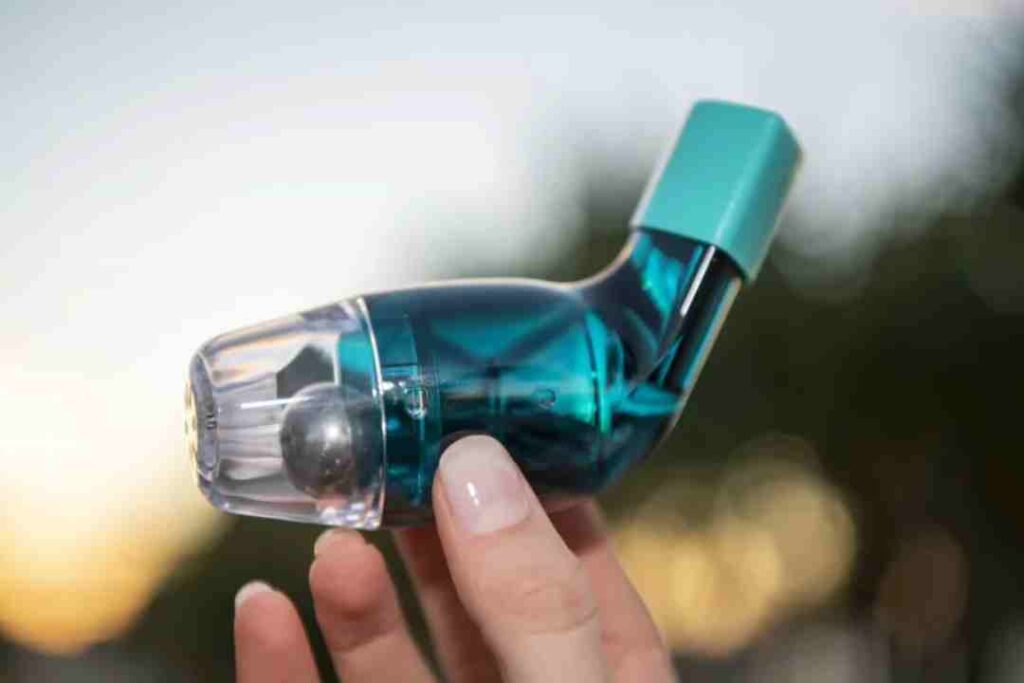
The Aerobika PEP device is a portable, handheld device designed to help patients with respiratory issues clear mucus from their lungs. The device works by using oscillating positive expiratory pressure (OPEP) to help patients exhale more effectively, loosening and mobilizing mucus trapped in the airways. This aids in its removal and improves the overall function of the lungs. The Aerobika OPEP device is particularly beneficial for patients with chronic conditions such as COPD, asthma, and cystic fibrosis, where excessive mucus production can lead to breathing difficulties. You can also read about Everything You Need to Know About Cataracts Surgery by clicking here.

Key Features of the Aerobika PEP Device:

  • Oscillating Pressure: Creates a vibration that helps loosen mucus in the airways, making it easier to clear.
  • Portable and Lightweight: Easy to carry and use at home or on the go.
  • Non-Invasive: Does not require any additional equipment, making it user-friendly.
  • Optional Manometer: Some models come with a manometer that allows users to monitor and adjust pressure levels for optimal mucus clearance.

How Does the Aerobika PEP Device Work?

The Aerobika device uses a combination of pressure and oscillation to help clear mucus from the lungs. When you exhale through the device, the pressure creates positive expiratory flow, which pushes the mucus upward and out of the airways. The oscillations make the mucus less sticky, making it easier to expel. This process improves airflow, reduces the risk of infection, and enhances overall lung function.

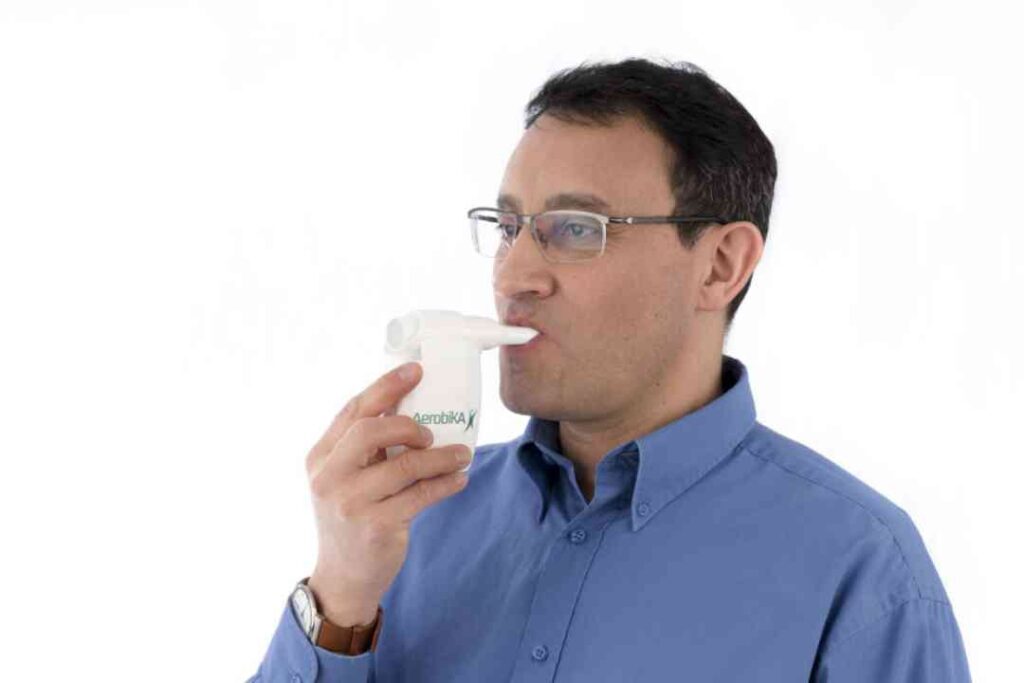
The Aerobika OPEP device is designed to be simple to use. You simply place the mouthpiece in your mouth, inhale deeply, and exhale through the device. Depending on your condition and healthcare provider’s recommendations, you may use the device for several minutes multiple times a day.

Benefits of Using the Aerobika PEP Device for Mucus Clearance

Using the Aerobika device regularly offers several health benefits, particularly for individuals with chronic respiratory conditions. Here are some of the key advantages:

1. Improved Lung Function

The primary benefit of the Aerobika PEP device is its ability to improve lung function by clearing mucus from the airways. This can enhance overall breathing capacity, making it easier for individuals with respiratory conditions to take in oxygen and expel carbon dioxide.

2. Reduced Risk of Respiratory Infections

When mucus accumulates in the airways, it can create an environment where bacteria and other pathogens thrive, leading to infections. By regularly clearing mucus, the Aerobika device helps reduce the risk of infections such as pneumonia and bronchitis.

3. Better Oxygen Flow

Clearing mucus from the lungs improves oxygen flow and enhances respiratory efficiency. This leads to better oxygen saturation in the blood, which can help improve overall energy levels and reduce shortness of breath.

4. Non-Invasive and Drug-Free

Unlike medications or other invasive treatments, the Aerobika OPEP device is a non-invasive solution for mucus clearance. It does not require prescriptions or drugs, making it a safe, natural way to manage respiratory issues.

5. Portable and Convenient

The Aerobika PEP device is lightweight and portable, making it easy to use at home, at work, or while traveling. Its compact size ensures that patients can take it wherever they go, making it an ideal solution for active individuals who need continuous mucus clearance therapy.
Better Oxygen Flow

How to Use the Aerobika PEP Device

Using the Aerobika device is simple, but it’s important to follow the correct steps to ensure you’re getting the most out of the treatment. Here’s a basic guide on how to use the Aerobika device:

  1. Position the Device: Place the Aerobika mouthpiece in your mouth, ensuring that it’s sealed.
  2. Inhale Deeply: Take a deep breath in, expanding your lungs fully.
  3. Exhale Through the Device: Slowly exhale through the device. The Aerobika will create oscillations as you breathe out, which helps to dislodge mucus from the airways.
  4. Repeat: Perform this process for 5 to 10 minutes, depending on your healthcare provider’s instructions.
  5. Clean the Device: After each use, clean the Aerobika device thoroughly to prevent bacterial buildup.

Where to Buy the Aerobika Device in Australia

If you’re wondering where to buy Aerobika in Australia, there are several options available. You can purchase the Aerobika device online or from physical medical supply stores. Some of the most trusted suppliers include:

1. Online Retailers

  • Amazon Australia: Offers the Aerobika PEP device with fast shipping and customer reviews to help you make an informed decision.
  • eBay Australia: Many sellers offer the Aerobika device at competitive prices, with options for new and pre-owned devices.

2. Medical Equipment Suppliers

  • Oxygen Australia: A reputable supplier for respiratory devices, including the Aerobika mucus clearance device.
  • Lincare Australia: Known for offering high-quality medical equipment, including the Aerobika device for sale or rental.

3. Pharmacies and Health Stores

Some local pharmacies and health stores, like Chemist Warehouse and Pharmacy Direct, may also carry the Aerobika OPEP device. It’s always a good idea to call ahead and check availability.

Aerobika Device Cost in Australia

The cost of the Aerobika device can vary depending on where you buy it. On average, the Aerobika PEP device costs between AUD 150 to AUD 250 in Australia. Prices may vary based on the retailer and whether you’re purchasing it online or in-store.

In addition to the cost of the device, be sure to factor in any additional expenses such as accessories (e.g., mouthpieces or filters) or cleaning solutions.

Conclusion

The Aerobika PEP device is an effective and non-invasive solution for individuals looking to improve mucus clearance and enhance their respiratory health. Whether you’re managing a chronic condition like COPD or recovering from an illness, this device can help you breathe easier and live a more active lifestyle. With its easy-to-use design, portability, and affordability, the Aerobika device is an excellent choice for anyone in need of effective mucus clearance therapy.

For those in Australia, purchasing the Aerobika device is simple, with multiple options available both online and in medical supply stores. With its reasonable cost and impressive benefits, the Aerobika device is a smart investment for better respiratory health.

What is the Aerobika device used for?

The Aerobika device is used for mucus clearance, helping individuals with respiratory conditions like COPD and asthma to clear mucus from their lungs and improve lung function.

Where can I buy the Aerobika device in Australia?

You can purchase the Aerobika device from online retailers like Amazon and eBay, as well as from local medical suppliers such as Oxygen Australia and Lincare Australia.

How much does the Aerobika device cost in Australia?

The Aerobika PEP device typically costs between AUD 150 and AUD 250 in Australia, depending on the retailer and any additional accessories.

How do I use the Aerobika device?

To use the Aerobika device, inhale deeply, then exhale slowly through the mouthpiece, allowing the device to create oscillations that help clear mucus from the lungs.

How often should I clean my Aerobika device?

It’s recommended to clean the Aerobika device after every use to prevent bacteria buildup. A more thorough cleaning should be done weekly to maintain optimal performance.
Air Liquid

Sleep Apnea and Snoring: Understanding the Overlap

Introduction: When Snoring Is More Than Just Noise

We’ve all heard someone snore — maybe it’s a partner, a family member, or even ourselves. While occasional snoring can be harmless, persistent and loud snoring might be a red flag for something more serious: sleep apnea.

Sleep apnea is a condition where breathing repeatedly stops and starts during sleep. These interruptions prevent restful sleep and reduce oxygen supply to the body, which can put strain on the heart, brain, and other organs. The tricky part? Many people think they just “snore a lot” without realizing they may have a more serious underlying problem.

Understanding the overlap between snoring and sleep apnea can help you recognize the signs, take action early, and protect your long-term health.


Causes of Sleep Apnea: More Than Just a Nighttime Issue

Sleep apnea develops when airflow becomes blocked or disrupted during sleep. This can happen for different reasons, and the causes often overlap with those of habitual snoring.

Obstructive Sleep Apnea (OSA)

This is the most common type and occurs when throat muscles relax too much, causing the airway to narrow or collapse.

See more: How to Travel with a CPAP Machine Without Hassle

Common risk factors include:

  • Excess weight – Fat deposits around the neck can narrow the airway.
  • Anatomy – A naturally narrow airway, enlarged tonsils, or certain jaw shapes can increase risk.
  • Age – Risk rises after age 40, though it can occur at any age.
  • Gender – Men are more likely to develop OSA, though post-menopausal women also face higher risk.
  • Family history – Genetics can play a role in airway structure.


Central Sleep Apnea (CSA)

Less common, CSA happens when the brain fails to send proper signals to breathing muscles. It’s often linked to conditions like heart failure or neurological disease.


Lifestyle Triggers

Certain daily habits and conditions can worsen both snoring and sleep apnea:

  • Alcohol before bed (relaxes throat muscles too much)
  • Sedative medications
  • Smoking (inflammation and fluid retention in airway)
  • Chronic nasal congestion
  • Sleeping on the back (gravity makes airway collapse more likely)

Example:
David, 46, believed his loud snoring was just “part of getting older.” But after his wife noticed pauses in his breathing at night, a sleep study revealed moderate OSA. His risk factors — recent weight gain, nightly wine, and a habit of sleeping on his back — were all contributing to the problem.


Symptoms: The Obvious and the Overlooked

While loud snoring is one of the most common symptoms of sleep apnea, it’s far from the only one. Some warning signs are easy to spot, while others are subtle enough to be missed for years

Sleep Apnea and Snoring: Understanding the Overlap
Introduction: When Snoring Is More Than Just Noise

We’ve all heard someone snore — maybe it’s a partner, a family member, or even ourselves. While occasional snoring can be harmless, persistent and loud snoring might be a red flag for something more serious: sleep apnea.

Sleep apnea is a condition where breathing repeatedly stops and starts during sleep. These interruptions prevent restful sleep and reduce oxygen supply to the body, which can put strain on the heart, brain, and other organs. The tricky part? Many people think they just “snore a lot” without realizing they may have a more serious underlying problem.

Understanding the overlap between snoring and sleep apnea can help you recognize the signs, take action early, and protect your long-term health.

Causes of Sleep Apnea: More Than Just a Nighttime Issue

Sleep apnea develops when airflow becomes blocked or disrupted during sleep. This can happen for different reasons, and the causes often overlap with those of habitual snoring.

Obstructive Sleep Apnea (OSA)

This is the most common type and occurs when throat muscles relax too much, causing the airway to narrow or collapse.

Common risk factors include:

Excess weight – Fat deposits around the neck can narrow the airway.

Anatomy – A naturally narrow airway, enlarged tonsils, or certain jaw shapes can increase risk.

Age – Risk rises after age 40, though it can occur at any age.

Gender – Men are more likely to develop OSA, though post-menopausal women also face higher risk.

Family history – Genetics can play a role in airway structure.

Central Sleep Apnea (CSA)

Less common, CSA happens when the brain fails to send proper signals to breathing muscles. It’s often linked to conditions like heart failure or neurological disease.

Lifestyle Triggers

Certain daily habits and conditions can worsen both snoring and sleep apnea:

Alcohol before bed (relaxes throat muscles too much)

Sedative medications

Smoking (inflammation and fluid retention in airway)

Chronic nasal congestion

Sleeping on the back (gravity makes airway collapse more likely)


Sleep Apnea

Common Symptoms

  • Loud, chronic snoring (often disruptive to others)
  • Breathing pauses observed during sleep
  • Waking up gasping or choking
  • Excessive daytime sleepiness
  • Morning headaches


Subtle or Overlooked Symptoms

  • Difficulty concentrating during the day
  • Mood changes, irritability, or depression
  • Waking up with a dry mouth or sore throat
  • Forgetfulness and slower reaction times
  • Falling asleep easily during quiet moments (reading, watching TV, or sitting in traffic)

Example:
Maria, 52, didn’t think she had sleep apnea because she wasn’t “that tired” during the day. But she often woke with headaches and had trouble focusing at work. After her daughter mentioned hearing her snore and gasp for air while napping on the couch, Maria got tested — and discovered she had severe OSA.


Why Snoring and Sleep Apnea Overlap

Not all snoring means sleep apnea, but most people with sleep apnea snore. Snoring occurs when airflow causes the tissues in the throat to vibrate. In sleep apnea, these tissues can collapse entirely, stopping airflow altogether.

Think of it like a garden hose: snoring is when water still flows but makes a rattling noise; sleep apnea is when the hose is kinked and water stops flowing completely. Both involve airway narrowing — but sleep apnea adds a dangerous pause in breathing.


Treatment Options: Restoring Peaceful Sleep

Fortunately, sleep apnea can be treated effectively once diagnosed. The right approach depends on the severity of the condition, the underlying cause, and the patient’s preferences.


1. CPAP Therapy

Continuous Positive Airway Pressure (CPAP) is the most common and effective treatment for moderate to severe OSA. It delivers steady air pressure through a mask, keeping the airway open all night.

Benefits:

  • Highly effective when used consistently
  • Improves daytime energy and cognitive function
  • Reduces risk of heart-related complications

Challenges:

  • Some find the mask uncomfortable at first
  • Requires regular cleaning and maintenance


2. Oral Appliances

These dentist-fitted devices adjust the jaw or tongue position to keep the airway open. They’re especially useful for mild to moderate OSA or for people who can’t tolerate CPAP.


3. Surgery

For certain structural problems, surgical options may help — such as removing excess throat tissue, repositioning the jaw, or correcting nasal blockages. Surgery is generally considered when other treatments fail.


4. Lifestyle Changes

Lifestyle adjustments can greatly improve symptoms, especially for mild cases:

  • Weight loss – Even small reductions can ease airway pressure.
  • Positional therapy – Using pillows or special devices to avoid back-sleeping.
  • Avoiding alcohol and sedatives before bedtime.
  • Quitting smoking to reduce airway inflammation.


5. Treating Nasal Congestion

Addressing allergies or chronic sinus problems can improve airflow and reduce both snoring and apnea episodes.

Example:
Tom, 38, had mild OSA and didn’t want to use a CPAP. His doctor recommended an oral appliance, weight loss, and side-sleeping. Within four months, his snoring dropped significantly, and his energy levels returned.


The Importance of Diagnosis

Because snoring and sleep apnea share symptoms, it’s easy to dismiss warning signs as “just noise.” But ignoring potential sleep apnea is risky. Untreated, it can lead to:

  • High blood pressure
  • Heart disease and stroke
  • Type 2 diabetes
  • Depression and anxiety
  • Increased accident risk due to daytime fatigue

A sleep study — whether done in a lab or at home — is the only way to confirm a diagnosis and guide proper treatment.


Conclusion: Don’t Ignore the Signs

If you or someone you love snores regularly — especially if it’s paired with pauses in breathing, morning headaches, or daytime fatigue — it’s worth getting checked for sleep apnea.

Sleep isn’t just about rest; it’s about giving your body the oxygen and recovery time it needs to stay healthy. Treating sleep apnea not only quiets the snoring but can transform your energy, focus, and overall well-being.

The overlap between snoring and sleep apnea means that what sounds like a minor annoyance could actually be an early warning sign. Paying attention now can protect your health for years to come.


If you want, I can also create a short patient

cpap mASK

How to Travel with a CPAP Machine Without Hassle

Travelling with a Continuous Positive Airway Pressure (CPAP) machine can initially seem daunting. However, with proper preparation and knowledge, the process can be smooth and hassle-free. This article will provide essential tips and guidance for travelling with a CPAP machine, ensuring that users can maintain their sleep therapy while on the move.

Understanding Your CPAP Machine

Before embarking on any journey, it is crucial to understand the specifics of your CPAP machine. Familiarity with its components, functions, and maintenance requirements will help in ensuring a seamless travel experience.

Travelling with a CPAP machine may seem challenging, but with the right preparation and knowledge, it can be a seamless experience. By understanding your machine, planning ahead, and maintaining your routine, you can ensure that your sleep therapy continues uninterrupted, allowing you to enjoy your travels fully. Whether for business or leisure, taking these steps will help make your journey as comfortable and hassle-free as possible

Components of a CPAP Machine

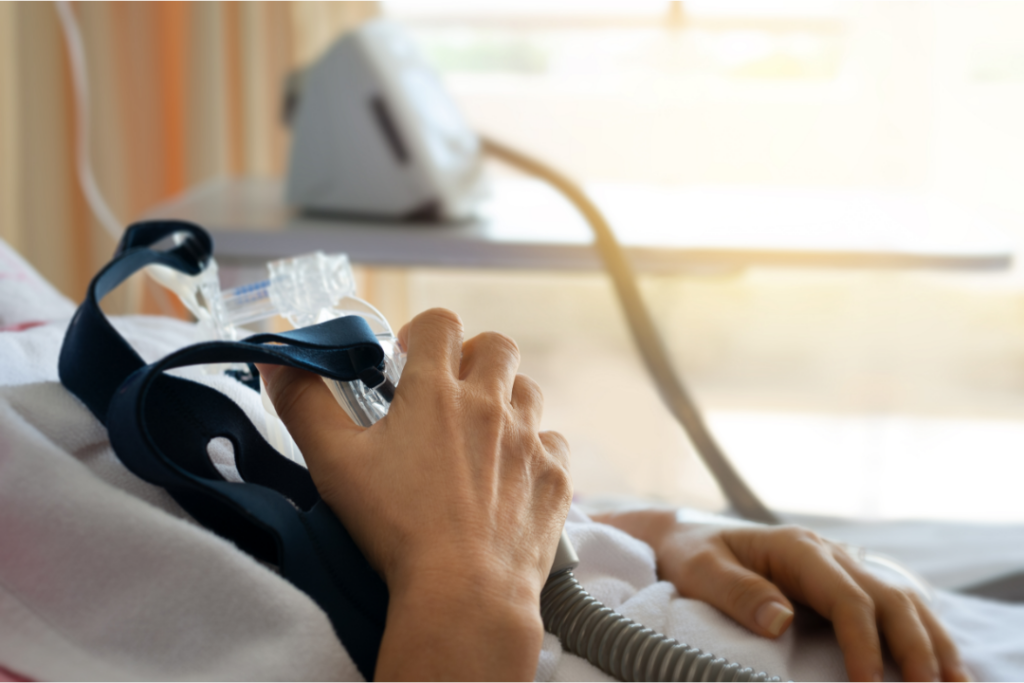
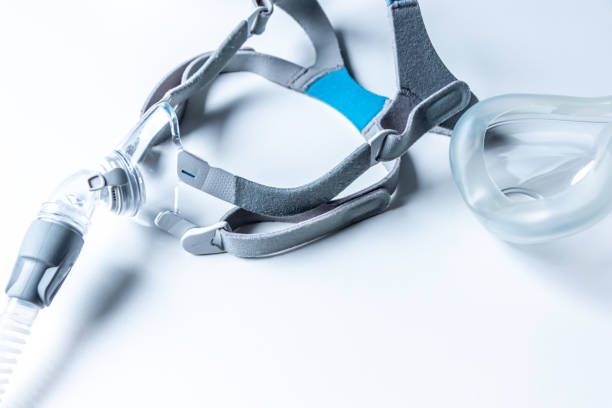
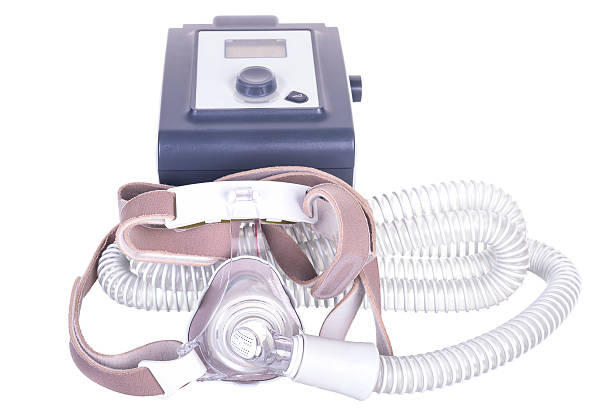
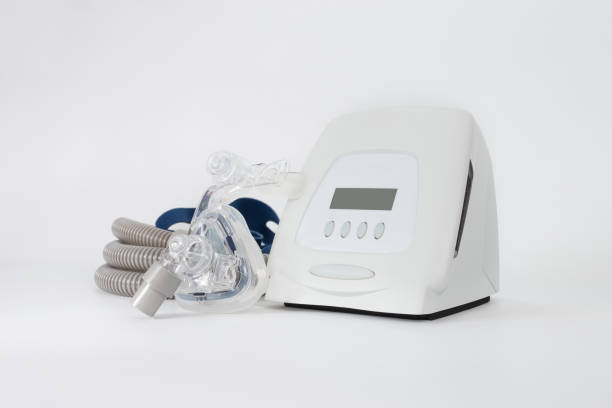
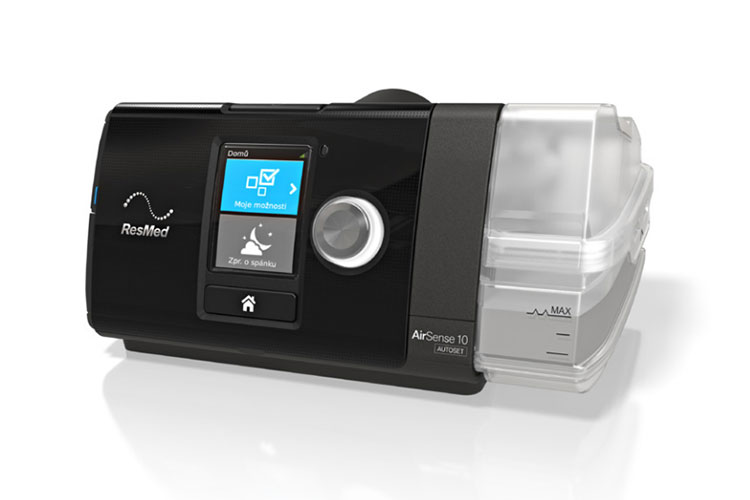
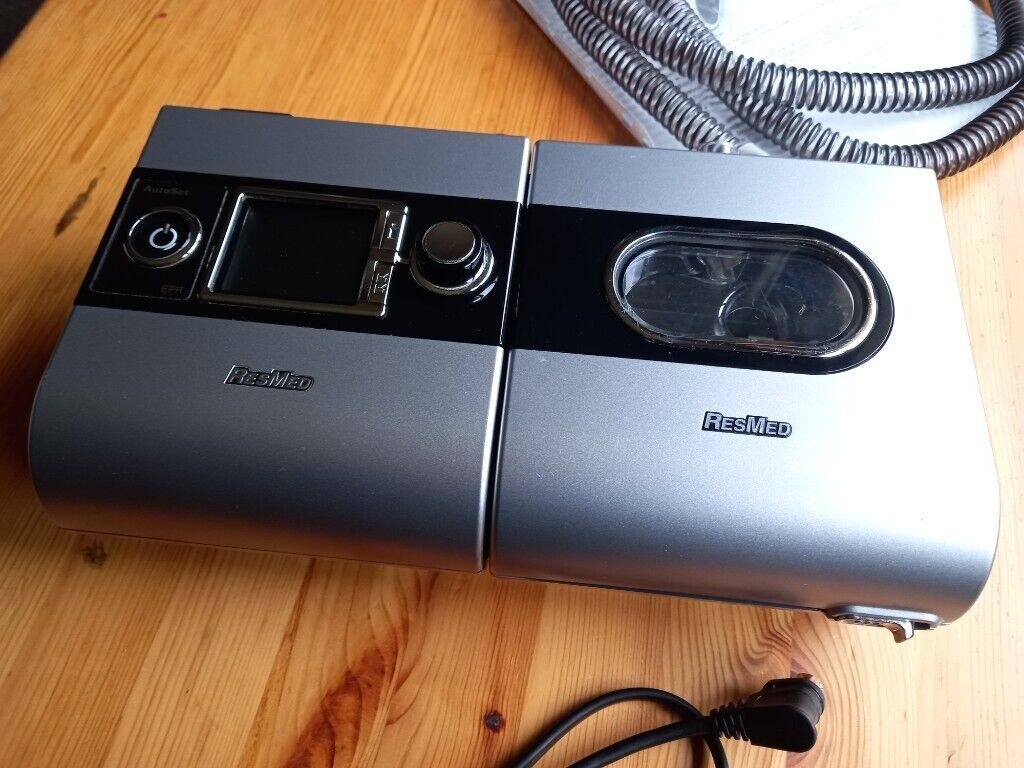
A typical CPAP machine consists of several key components: the machine itself, a hose, and a mask. Some models may also include a humidifier. Understanding how each part works and how they fit together is essential for setting up the device correctly at your destination. The machine generates a continuous flow of air, which is delivered through the hose to the mask that fits snugly over your nose or mouth. This airflow helps to keep your airways open during sleep, preventing interruptions that can lead to daytime fatigue. Additionally, some advanced models come equipped with features such as automatic pressure adjustments and built-in data tracking, which can provide valuable insights into your sleep patterns and therapy effectiveness.

Maintenance and Care

Keeping your CPAP machine clean and well-maintained is vital, especially during travel. Regularly cleaning the mask, hose, and water chamber will prevent the buildup of bacteria and ensure optimal performance. Carrying a small cleaning kit can be helpful, particularly if you are travelling for an extended period. It is also advisable to replace filters and other disposable parts as recommended by the manufacturer to maintain the device's efficiency. When travelling, consider packing your CPAP machine in a protective case to avoid any damage. Furthermore, it’s wise to check the power requirements of your CPAP machine to ensure compatibility with the electrical systems at your destination, especially if you are travelling internationally. Many modern machines come with universal power adapters, but it’s always best to verify beforehand to avoid any inconveniences.
Preparing for Your Trip

Preparation is key when travelling with a CPAP machine. Taking the time to organise and plan can help avoid any last-minute issues.

Check Airline Regulations

Before booking your flight, it is advisable to check the airline's regulations regarding medical devices. Most airlines allow CPAP machines as carry-on luggage, but it is always best to confirm. Additionally, some airlines may require a doctor's note or a prescription, so having these documents ready can save time and hassle at the airport. It is also prudent to contact the airline directly to inquire about any specific protocols they may have in place, as these can vary significantly between carriers. Furthermore, consider the airport security procedures, as you may need to present your CPAP machine separately for screening, which can add to your travel time.Learn more about security at https://graduate.northeastern.edu/knowledge-hub/what-is-security-studies/

Packing Your CPAP Machine

When packing your CPAP machine, ensure it is stored in a protective case to prevent damage. It is also wise to pack extra supplies, such as filters, hoses, and masks, in case of unexpected issues. Keeping these items in your carry-on luggage will ensure they are readily accessible during your journey. In addition to the essential components, think about including a travel-sized disinfectant spray or wipes to maintain hygiene while on the go. The cleanliness of your equipment is crucial, especially when travelling, as you may encounter different environments and air quality. Moreover, consider the availability of power sources at your destination; bringing along a universal power adapter can be beneficial, particularly in countries with different plug types. This foresight can help you avoid any inconveniences related to charging your device during your stay.

At the Airport

Airports can be overwhelming, but with a little preparation, navigating through security and boarding can be straightforward.

Security Screening

During security screening, be prepared to remove your CPAP machine from its case for inspection. It is advisable to inform the security personnel that you are carrying medical equipment. Most airports have protocols in place for handling medical devices, so cooperation will help expedite the process.

Staying Comfortable

While waiting for your flight, it is essential to stay comfortable. Bring a travel pillow or blanket to help you relax. If your flight is long, consider timing your CPAP therapy to coincide with your travel schedule, allowing you to rest during the journey.

cpap machine

Using Your CPAP Machine While Travelling

Once you arrive at your destination, setting up and using your CPAP machine should be a priority for maintaining your sleep routine.

Setting Up Your CPAP Machine

Find a suitable location to set up your CPAP machine. Ensure the area is clean and free from dust. If you are staying in a hotel, request a room with a power outlet near the bed. When connecting your machine, double-check that all components are secure and functioning properly.

Adapting to Different Power Sources

Different countries may have varying voltage and plug types. It is crucial to check the power requirements of your CPAP machine and invest in a universal travel adapter if necessary. Some CPAP machines also come with a battery backup, which can be beneficial in areas with unreliable power sources. To know more about adapter click here.

Maintaining Your CPAP Routine

Maintaining a consistent sleep routine is vital for those using a CPAP machine. Travelling can disrupt regular schedules, but with some strategies, it is possible to stay on track.

Establishing a Sleep Schedule

Try to maintain your usual sleep schedule as closely as possible. This may involve adjusting your bedtime to accommodate time zone changes. Prioritising sleep will help ensure you feel rested and ready to enjoy your trip.

Finding a Comfortable Sleeping Environment

When staying in unfamiliar places, creating a comfortable sleeping environment is essential. Consider bringing along familiar items, such as your pillow or a favourite blanket, to help you feel more at home. If noise is an issue, a white noise machine or earplugs can aid in creating a peaceful atmosphere.

Dealing with Emergencies

Even with the best planning, emergencies can occur. Being prepared for potential issues can help alleviate stress during your travels.

Accessing Replacement Supplies

In the event of a lost or damaged CPAP component, knowing where to find replacement supplies is crucial. Research local medical supply stores or pharmacies at your destination beforehand. Many cities also have online retailers that can deliver supplies directly to your accommodation.

Contacting Your Healthcare Provider

If you encounter significant issues with your CPAP machine while travelling, do not hesitate to contact your healthcare provider. They can offer guidance and support, ensuring you continue to receive the necessary care while away from home.

https://www.youtube.com/watch?v=MEyjxInM-Gk&pp=ygUwSG93IHRvIFRyYXZlbCB3aXRoIGEgQ1BBUCBNYWNoaW5lIFdpdGhvdXQgSGFzc2xl

Returning Home

After a successful trip, returning home can be a time to reflect on the experience and assess how well your CPAP routine held up during travel.

Cleaning Your CPAP Machine

Upon returning home, it is essential to clean your CPAP machine thoroughly. This includes washing the mask, hose, and water chamber to eliminate any bacteria that may have accumulated during your travels. Regular maintenance will ensure your machine continues to function optimally.

Evaluating Your Travel Experience

Reflecting on your travel experience can provide valuable insights for future trips. Consider what worked well and what could be improved. This evaluation can help streamline your travel process for subsequent journeys, making it easier to manage your CPAP machine on the go.

Other resources: Best CPAP Masks for Women

The Side Effects of CPAP Masks and the Solutions

The Side Effects of CPAP Masks and the Solutions

Introducing these CPAP masks has helped and solved people's sleeping problems.  Many people find it so hard to sleep and keep having issues with their body functions. A face CPAP mask is a device or sleeping aid that covers the nose to give continuous air. Unfortunately, these also affect the constancy of the airway, which has a negative effect.

CPAP masks

Sleep apnea can be cured and regulated by sleep therapy. This therapy helps in correcting sleeplessness and allows patients to breathe comfortably. In addition, using face masks, nasal pillow masks, sleep apnea masks even wearing glasses has corrected some patients' obstructive sleep apnea.   

The mouth breather, who can only breathe while the mouth is open during their sleeping period, can wear any new mask. Meanwhile, the following article discusses what causes obstructive sleep apnea and why you must use the CAPA masks Australia to sleep.

But this article focuses on the side effect of using CPAP masks and the possible solutions to tackle the impact. There is no age barrier to CPAP therapy as long as you desire good sleep. Every mask works effectively, but your therapist determines the best CPAP mask that will work well with you without any air leakage.

The Side Effects of CPAP Masks and their Solution.

Dryness

When your mouth is wide open when you sleep, the experience will be dry. This effect is so familiar to people with CPAP machines, and  Some that are mouth breathers will always have this experience. This dryness happens because the salivary gland will quickly dry up with the volume of air that comes in through the CPAP mask machine.

CPAP mask machine

Solution

Most of the time, the air that escapes from the nasal or pillow mask causes dryness. The chin strap and nasal pillow mask will completely cover the nose and leave no chance of any air leakages. Similarly, it may require the patient to change the kind of CPAP mask he is using. Because all types of CPAP masks work differently, you can switch to the perfect one suitable for you when you discover a fault in what you are using. 

Visiting a sleeping therapist is also essential because the sleeping specialist will perform a test and know the right face mask suitable for you. Another way to solve the problem is using a full face machine, which will help you not to breathe with your mouth.

Aerophagia

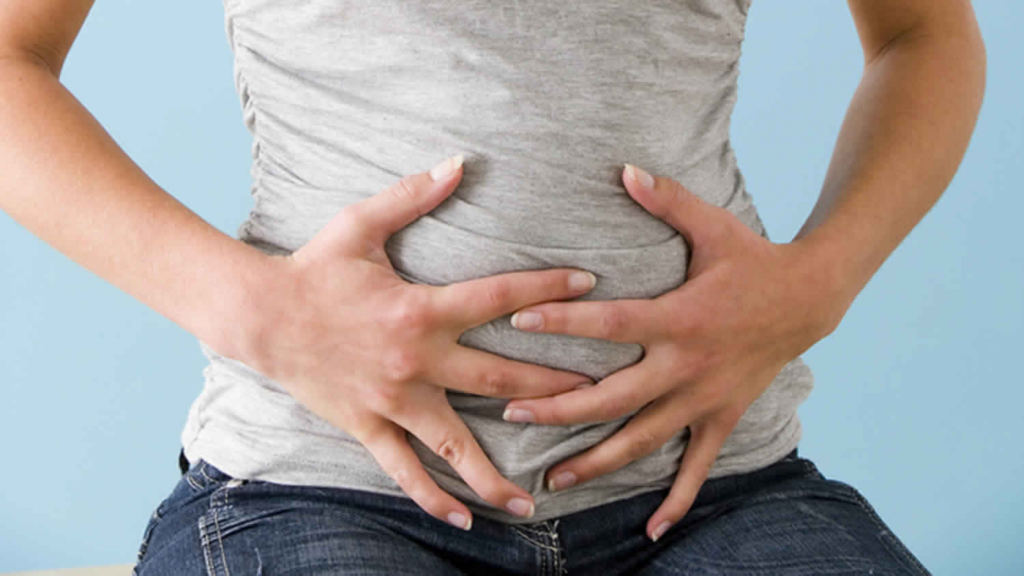
 Also, this disorder brings discomfort to the body and is too much air intake too much air. This aerophagia always comes with bloating, belching, and skin irritation. This side effect is common the CPAP users. Air penetration into the gastrointestinal tract and the stomach will cause this side effect.

Aerophagia.

Solution

First and foremost, you must consult your doctor to check the CPAP masks he recommended because the air coming from the face of CPAP masks might be too low or too high. Meanwhile, another solution to this side effect is to use a CPAP mask suitable for your condition. Sometimes people prefer to use what seems beautiful rather than what is needed for their sleeping condition. Whatever the state is,  use the appropriate CPAP mask or the suitable mask. 

Skin irritation

Some components that  CPAP masks are made from may cause skin irritation.  In addition, silicone might be offensive to the body as time passes. Meanwhile, the entire face suffers wrath the most because of the continuous attachment of the full-face masks to the face.

Solution

 Regular cleaning of the face can stop skin irritation. Therefore, before the CPAP mask is fixed to the face, the face must be thoroughly cleaned, and the CPAP machine must be cleansed.  This function may guarantee your safety from any skin irritation.

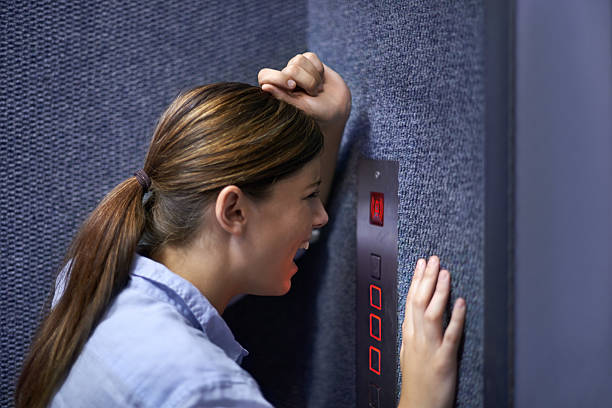
Claustrophobia

Many people with sleep apnea have this phobia due to the conditions they from full face masks, nasal masks, headgear, and nasal pillow masks. When the CPAP user is new to using a CPAP mask machine, w To feel claustrophobic is real.

Solution

The best way to overcome claustrophobia is the daily use of CPAP machines, especially during the day. Most times when you watch tv, at least you can be wearing the CPAP mask recommended for you. By the time you go to bed, you are already used to it. It takes time and consistency to get used to the CPAP mask machine. However, the fear goes away when you get used to the device. 

Sinus infection

Sinus infection

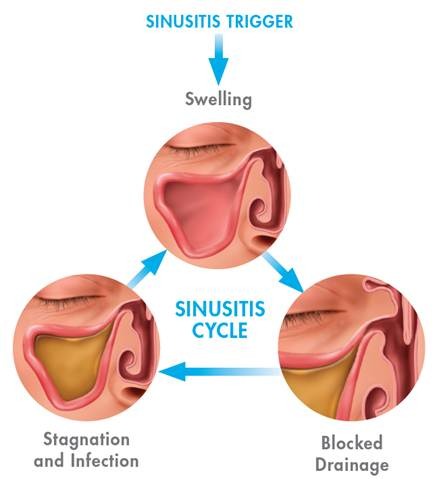
It is also possible for the CPAP mask user to contract the infection through the nasal mask. In addition, when patients breathe regularly on the CPAP mask, bacteria and viruses may gather on the mask.

Also, dust and mold can enter the hose and mask, while the lungs and throat can also pass bacteria to the mask, and if the mask is not adequately maintained can later give an infection to the patient. Finally, the mask must have a comfortable fit and seal to the face. People using the CPAP mask may generate upper respiratory and sinus infections if the face masks, glasses, and other sleeping devices are not well kept.

Solution

The only way to avoid all these infections and the related diseases that can become the side effect of the CPAP mask is always to clean your devices regularly. Indeed, there will surely be a drop of germs and allergens after your night with face masks. But, again, you consult your CPAP therapist or sleep therapist to know the cleaning guides.   

Nasal congestion

A few things are responsible for this nasal congestion. Some are sinus infection, cold, climate change, and low humidity. In addition, the forced air pressure from the hose may eventually give someone a running nose.  The sleep specialist will tell you that there will be a continuous flow of air from the nasal mask while asleep. Meanwhile, nasal pillows will also be helpful in this regard.

Solution

The surest solution to this nasal congestion is to consult your CPAP therapist to recommend some supplements to relieve the pain. Also, using a full face mask can reduce congestion, especially when breathing through your nose. This solution will serve as a  good seal.

Conclusion

CPAP masks and other CPAP mask categories have helped many people suffering from sleep apnea. However, despite the benefits of the mask types, under no condition should we overlook the side effect because it has the potency to reduce the effectiveness of the treatment. This article has provided the side effects and the solution to the impact. Patients can now enjoy their sleep while the CPAP mask is fixated on them.  

Related: What to know about CPAP Masks for Sleep Apnea

What to know about CPAP Masks for Sleep Apnea

What to know about CPAP Masks for Sleep Apnea

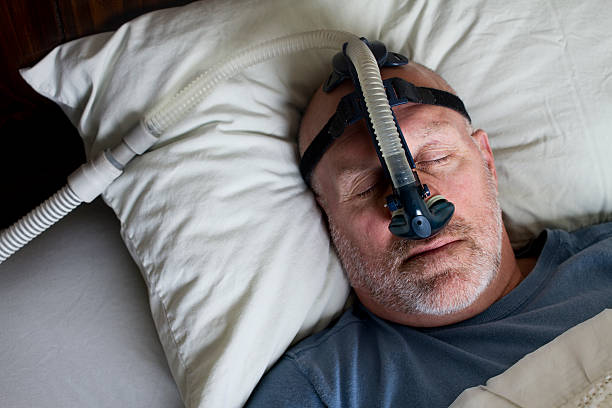
The continuous positive airway pressure (CPAP) Machine comprises the CPAP mask, which helps overcome the challenges of obtrusive sleep apnea. It is the most common treatment for sleep apnea in that it helps to keep the airway open and prevents it from collapsing.

pressure (CPAP) Machine

Also, the throat and airway can optimally receive oxygen for optimum breathing and quality sleep. As a result, the CPAP machine is effective in helping your sleep quality and reducing the risk of diseases and other health issues such as stroke and heart disease.

What is a CPAP mask?

A CPAP mask is part of the CPAP machine used for treating sleep apnea in patients who cannot sleep. this device controls the pressurized air in the channel and works it through the tube. The tube is also connected to the CPAP masks that you wear when you are about to sleep. In addition to the general principle, you should also learn what the best CPAP mask machine is used for.

CPAP masks

What is the use of the CPAP device?

The CPAP is a machine that can help to treat patients suffering from obtrusive and central sleep apnea. When a patent is suffering from any of the above disorders, it is often accompanied by interrupted breathing during the sleep cycle as a result of low oxygen supply. When this situation occurs multiple times in the night, the person will not be able to sleep.

Also, it can occur hundreds of times that night because the shortage of oxygen could cause multiple complications to health. In addition, it can raise the risk of high blood pressure, stroke, heart disease, diabetes, and other health issues in the person who cannot sleep. The CPAP mask, with the different parts of the machine, helps to keep the airways open while delivering air consistently through the mouth and nose.

Different types of CPAP machines

There are many Positive Airway Pressure (PAP) machines, and the CPAP is just one of the many options. However, it is clear that the CPAP device is the commonest of all these health devices and comes with its varieties.

The Bi-level PAP

The peculiarity of the Bi-level PAP machine is that it has two different pressures. One for the inhalation process and the other for exhalation.

The Auto CPAP

The Auto-CPAPA is different in that it can regulate itself for the required pressure to perform at the optimum level. The device ensures the airways get the proper pressure to maintain an open airway. As a result, the user can have a comfortable and sound sleep.

Adaptive servo-ventilation (ASV)

ASV is an efficient machine handy for people with central sleep apnea. The ASV maintains an open airway that ensures a breath of air flows through to the user's lungs.

The Different Types of CPAP Masks

Now that we understand the types of CPAP machines, it is crucial to understand the different types of CPAP masks out there. There are several types of CPAP masks ranging from simple ones to complex ones for other patients with diverse conditions.

Which CPAP mask you choose depends on the comfort level you want to get and what your predominant sleeping habits are. The type of CPAP mask you eventually select may also depend on the kind of sleep apnea you suffer from.

Nasal mask

Nasal mask

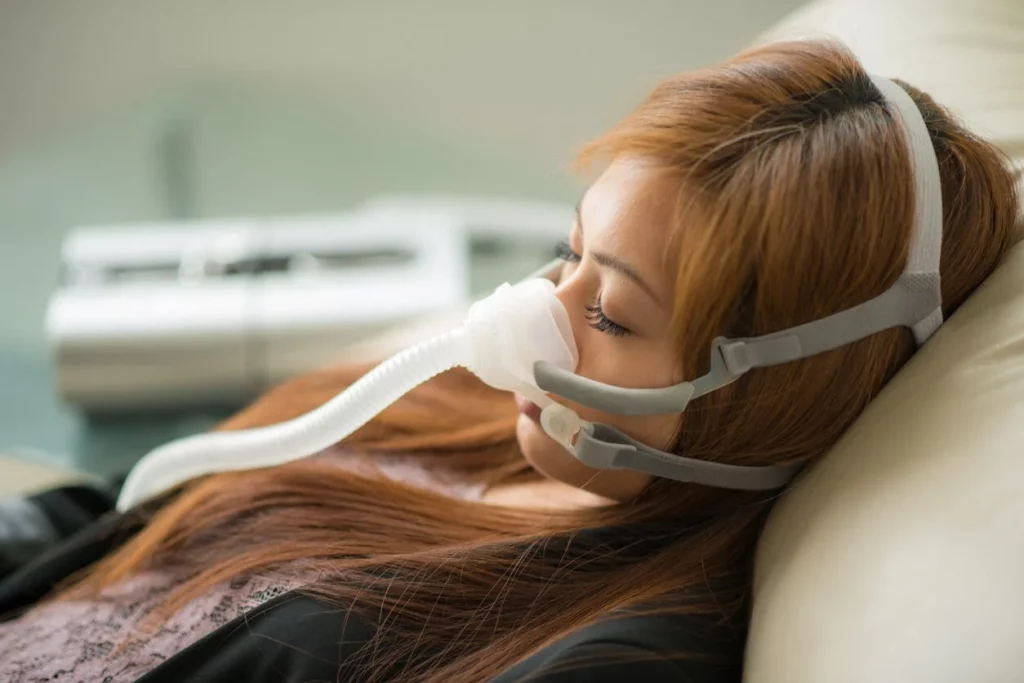
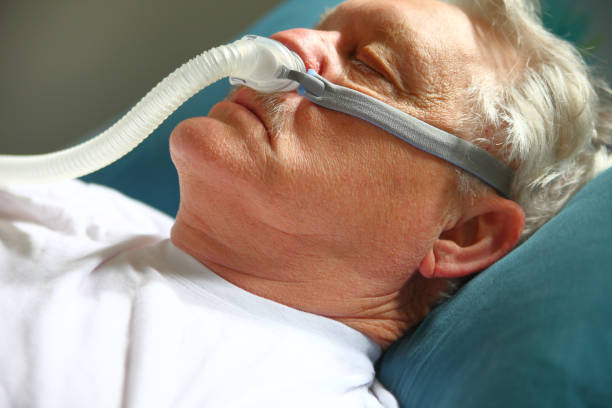
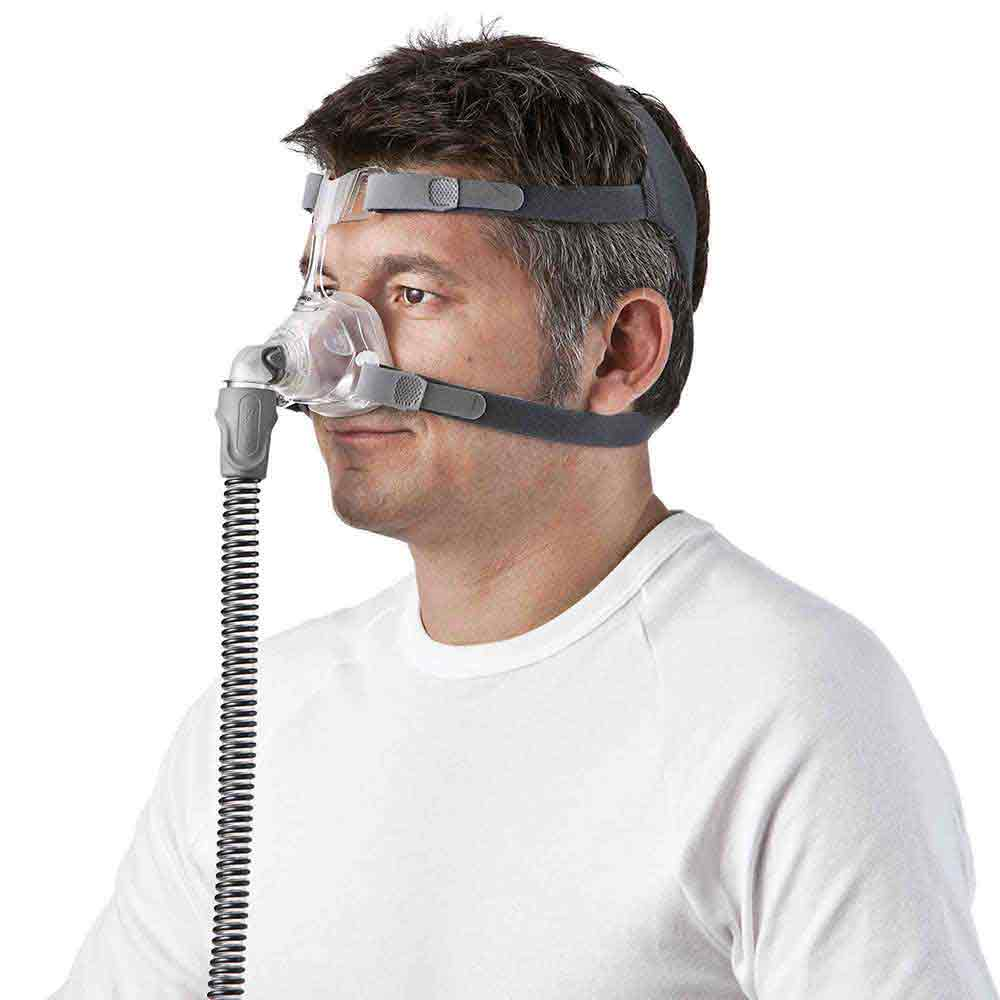
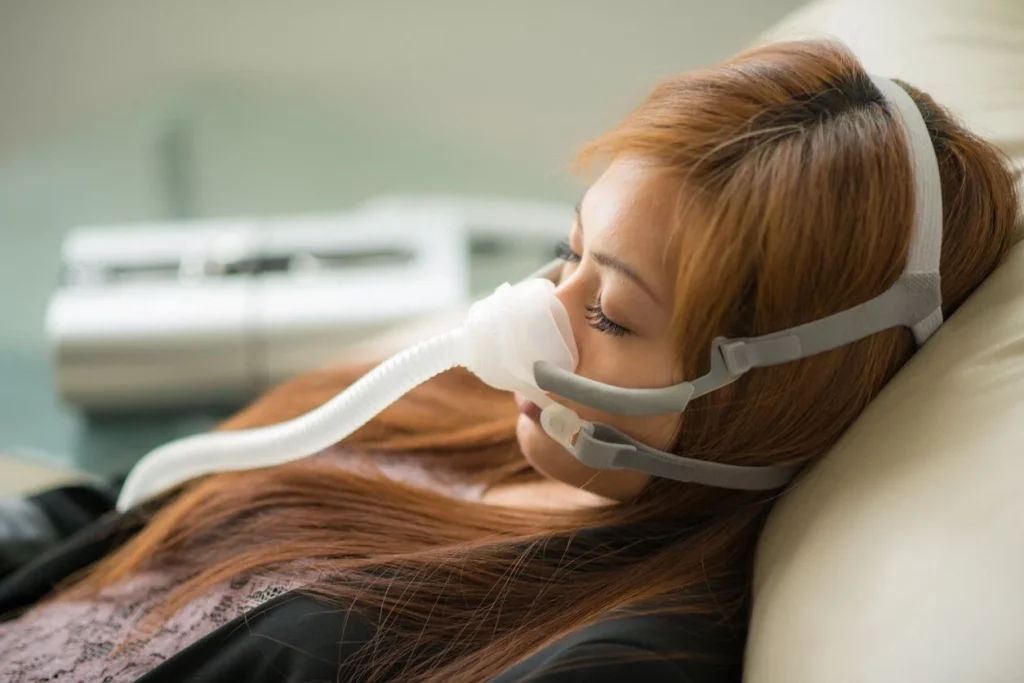
The nasal mask is a face mask as part of the CPAP machine that only covers the nose. It is often recommended for patients who move around a lot while sleeping. They find this type of CPAP mask to be very comfortable and flexible for use.

Nasal Pillow mask

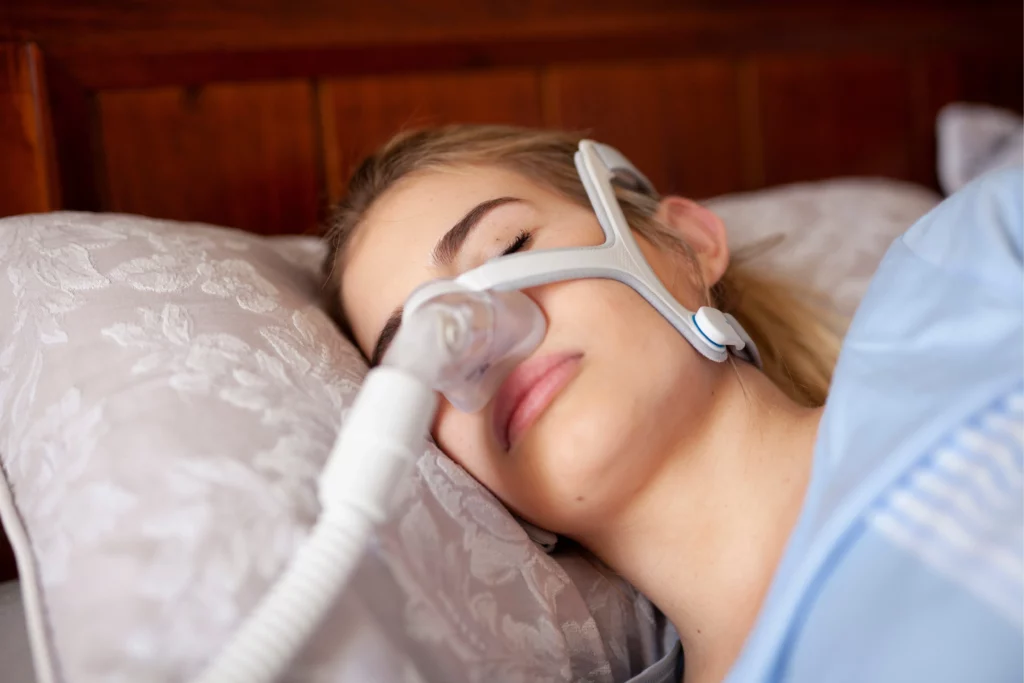
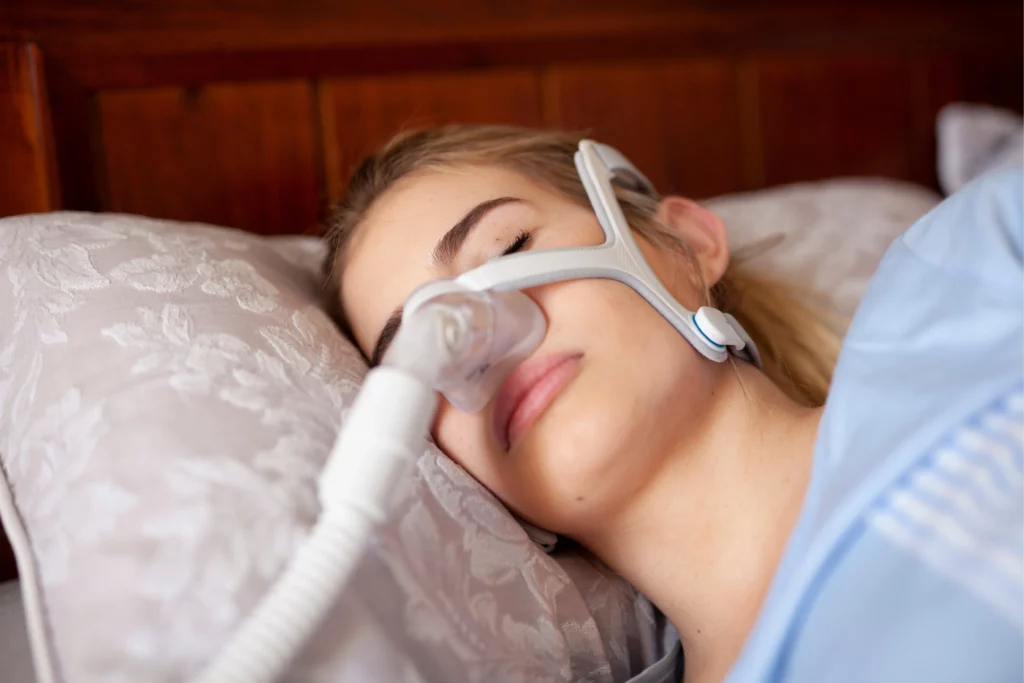
The second category of CPAP masks we will look at is the nasal pillow mask that does not cover the entire nose of the user. Instead, the nasal mask only covers the nostril area. It has different options, including prongs that ideally enter your nostrils to enhance their sleep quality. Patients who wear the pillow mask can also use eyeglasses when reading or even watch TV while the CPAP mask is on.

Full mask

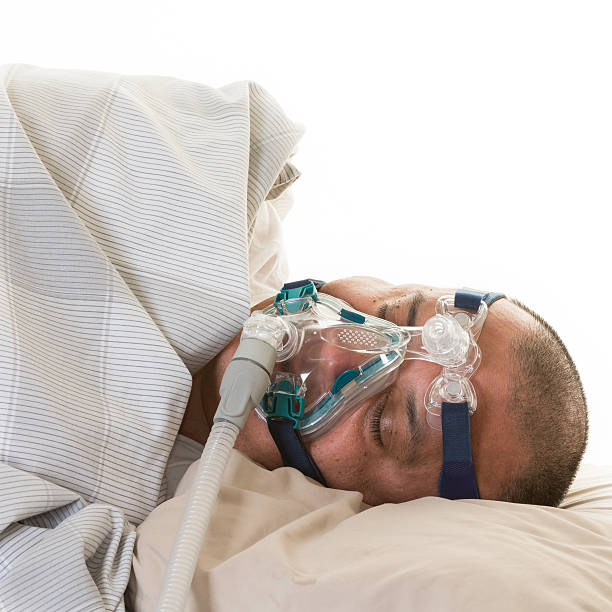
The third type of CPAP mask is the triangular-shaped mask that covers the face, including the nose and mouth, this type of mask is a perfect choice for people who breathe through their mouth when sleeping. As a result, the mask can serve two purposes; preventing sleep apnea and simultaneously snoring. In addition, the healthcare provider can recommend this choice of CPPA mask if you struggle to breathe due to nasal blockage.

How does the CPAP work?

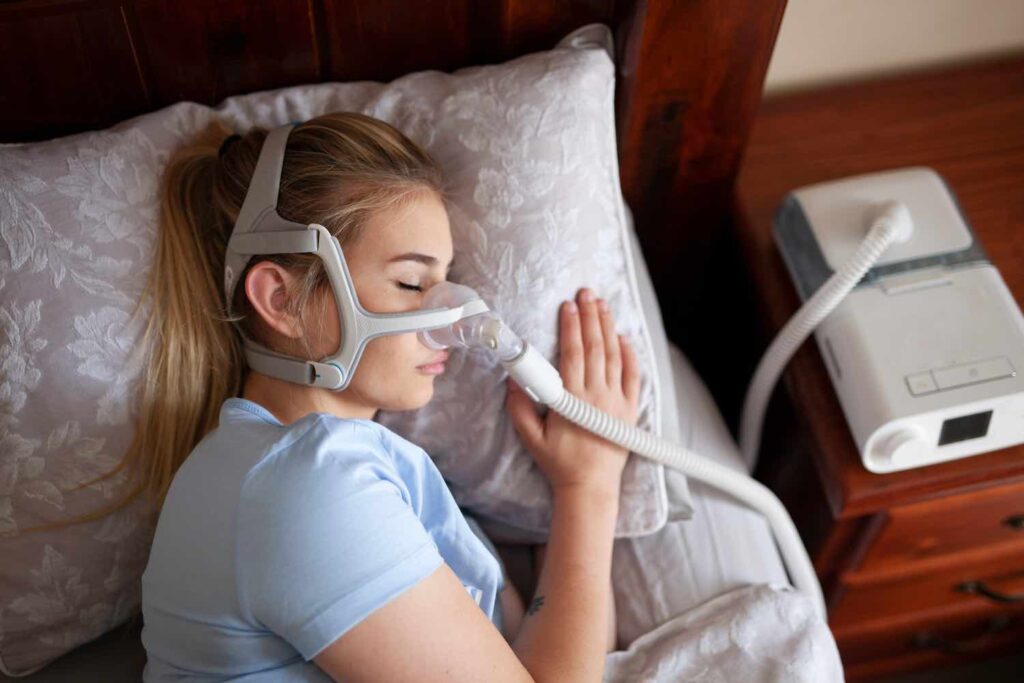
The basic principle of work in the CPAP is to take room air, filter it and pressurize it through a tube and the CPAP mask. The machine effectively delivers pressurized air into the patient's airways, keeping them open. When air continues to flow through this channel, the process keeps the uvula, the soft palate, and the tongue from shifting too far into the airway. CPAP masks also stabilize the breathing process while improving the overall quality of sleep.

If you feel uncomfortable, you can freely contact your sleep specialist. Or if you feel claustrophobic while having sleep therapy, you are free to notify the sleep coach. Choosing the right CPAP masks should help you overcome obstructive sleep apnea by ensuring your airway gets the constant air pressure needed for quality sleep. Your sleeping position also does not matter; you can get the best CPAP mask fit for you.

How to clean the machine

Always keeping the CPAP clean from dirt and germs, which could cause harm is essential. Cleaning the device helps avoid breeding bacteria in the usually warm and moist channels. The user must regularly clean the CPAP mask, tube, and water chamber when using the machine.

clean the machine

While you are free to choose the frequency that works best for you, cleaning the machine at least once a week is recommended. Similarly, it is vital to follow the cleaning instructions that the manufacturer provides. In addition, when cleaning the CPAP device, including the CPAP masks, there are general rules that could serve as guidelines.

Disassemble the CPAP 

Learn to unplug the device and remove the parts according to the manual. First, remove the CPAP mask and the headgear from the tubing. Next is to remove the rube from the CPAP machine and the water chamber from the device. CPAP users must learn to do this process carefully.

Soak all the machine parts

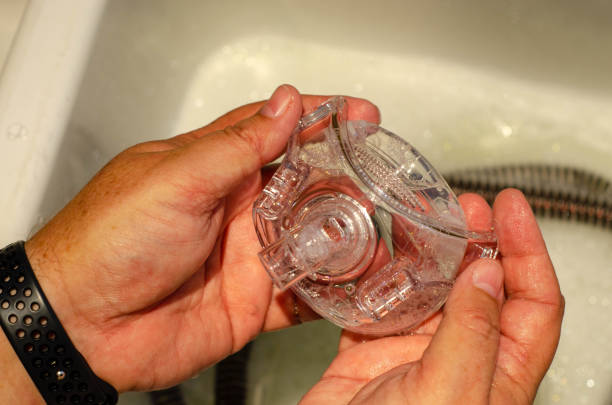
Fill a basin with some warm water and add some amount of mild dish soap. Then soak all the disassembled components into the solution, including the tube, sleep apnea masks, and the headgear with forehead support. Let the part soak for like 3 minutes before rinsing. Then you can allow the pieces to dry in clean air. You can also use a soft cloth to wipe down the external surfaces of the CPAP device.

Reassemble your CPAP machine

After drying the washed parts and cleaning the machine, you can reassemble the device. Test the machine after reassembling it to ensure that it is working perfectly. Remember to tighten all loose ends to avoid air leakage. Otherwise, you will need a seal to close it up. The goal is for CPAP treatment to lead to the ability to breathe comfortably.

Clean the humidifier weekly

Cleaning the humidifier should occur at least once weekly when you use warm and mild soap. Then you leave the humidifier to air dry. Ensure you use distilled water always when running through the humidifier to remove the possibility of trapping germs and dirt. Remember, the humidifier controls the air pressure to suit the user's needs.

Conclusion

Finally, a comfortable sleep is possible, but the mask user must first find the best sleep apnea mask of all CPAP masks available in the market. Next, the CPAP masks must be one that can efficiently stop obstructive sleep apnea while allowing users to wear glasses and watch TV for those who still want. But the nasal pillow masks are more suitable for such purposes. Finally, remember that the CPAP masks help to maintain air pressure. In contrast, the automatic ones can either reduce or increase the pressure. However, you will need a sleep specialist to help you achieve comfortable sleep with the best CPAP mask.

Also Read: 8 Things to Know About CPAP Masks Before You Buy One

Rare CPAP machine tips that are quite helpful

Rare CPAP machine tips that are quite helpful

Those who have been given a sleep apnea diagnosis may choose from a range of CPAP devices. The basics of CPAP were covered in our last blog post, along with some of the benefits it offers people with sleep apnea, such as keeping their airways open while they sleep and a reduction in snoring and other apnea symptoms including weariness and daytime drowsiness.

How well CPAP works for you personally will be greatly influenced by the kind of CPAP mask your doctor suggests for you. A key element of the overall CPAP regimen is the CPAP mask, which delivers air from the CPAP machine to your mouth and nose. This makes it obvious that your CPAP mask should be as comfortable as possible and create a tight seal over your mouth and/or nose (without leaving marks on your face or irritating your skin).

Thankfully, many of the cpap machines available today are designed to do just that: provide you a comfortable night's sleep without inflicting you with any discomfort or irritability. Let's review the advantages provided by each kind of machine and evaluate what distinguishes these numerous CPAP mask types from one another.

Which CPAP machines are available for those who have sleep apnea?

CPAP machines typically come in various sizes and fall into three main groups.

When compared to full face CPAP machines, nasal machines fit over your nose alone, providing a more comfortable fit; nasal pillow machines are even lighter and simpler than nasal machines, allowing for more visibility and openness. Your mouth and nose are covered with a full-face mask.

See also: Solve these CPAP machines’ problems with these tips

These descriptions may have made it apparent that you would prefer a lighter or smaller mask over a bigger or heavier one. But there are other considerations as well. As an example, equipment that covers more of your face may sometimes provide a greater barrier against leakage, boosting therapy. Similar to this, if you have facial hair, a larger mask may be necessary for a better seal. You could also feel more comfortable using a smaller mask if you have claustrophobia.

Even while full face machines are a little heavier, you could find them to be more comfortable. A lot of this comes down to personal preference and how effectively a given mask shape will cover the specific characteristics of your face. In any event, your doctor could help you select the machine that fits you the most comfortably by letting you try on a number of them.

Also important is this! You may "forget" to wear your CPAP mask sometimes or take it off in the middle of the night if it doesn't seem comfortable to you. You may not even be aware of what you've done until the next morning in certain circumstances!

You'll most likely suffer the same symptoms you had before to your diagnosis, such as daytime sleepiness and poor energy, in addition to being at risk for a number of extra sleep apnea-related hazards, since you won't be getting the full degree of treatment for your sleep apnea.

There are additional types of CPAP machines that may be used to treat sleep apnea, despite the fact that the majority of CPAP machines fall into one of the three categories stated above. Less often suggested machines include whole face machines (covering the full face), oral machines (covering just the mouth), and hybrid machines (offering various combinations of the previously described CPAP machines). Although they aren't as often recommended as the three we've spoken about above, depending on how bad your disease is, your doctor may decide to prescribe one of them.

Think about getting two CPAP machines.

Even if it takes a few attempts to find the CPAP mask that fits you the best, we are certain that everyone can find the ideal model. However, some people choose to purchase two CPAP machines, which they use alternately.

Numerous visitors to our website claim to have alternately used two CPAP machines. If you think you could benefit from having a second mask fitted, speak with your equipment supplier about your options for doing so most affordably.

Why use two?

In certain cases, the following may help with environmental allergies: If you currently use a nasal or nasal cushions mask and have stuffy, clogged nasal passages when your allergies start to act up, you may find it easier to breathe through a full face mask. This is especially true if your septum is deviated.

To reduce pressure on the sensitive parts of the face: Your face was covered with a variety of machines. Your face sometimes needs a rest, despite the fact that machines become comfier every year. A different kind of mask (such as a nasal pillows, nasal, and/or full face mask) may make a sensitive area feel better.

After a facial operation, during recovery: Ask your equipment provider as soon as possible about being fitted for a mask that won't touch the area of your face where your CPAP mask now sits throughout your recovery.

But remember...

Never compromise on the standard of treatment. If you wish to temporarily switch from a full face mask to a nasal or pillows mask, ask your equipment supplier how a chin strap may help ensure that your mouth stays closed while you sleep. If the mouth is open when using nasal/pillows, CPAP treatment will be less effective and humidification won't keep you comfortable.

Recognize when it's time to replace your CPAP supplies. With more machines, it becomes required to maintain more supplies. Make sure you are aware of the proper cleaning and storage procedures as well as when to replace each piece of CPAP equipment, including mask components, machine filters, and water chambers.

Machines and their components will last longer if you use them alternatively as long as you clean them according to their instructions each morning after use and store them correctly (ideally in a sealed plastic bag after they've been cleaned and dried, and away from sunlight).

Seasonally adjust the humidity levels in your home.

During the winter, you'll need extra moisture, so raise your humidity levels by 1/2 to 1 level at a time until you're pleased.

You may lower the humidity levels in your home throughout the summer when the air is warmer and more muggy.

Keep your CPAP at or just below the height of your head 

If condensation forms above your head and drips into your hose, you run the danger of having your machine topple over on you.

Ensure that your CPAP machines are set up on a sturdy, flat surface, such a book, stool, or tray.

You'll probably need to wipe off extra condensation more often if your machine is on the floor.

As a result of moisture build-up and the fact that the air is often colder closer to the floor, you may need to dust your equipment more frequently. Additionally, you should dust your system more often and make sure it's "bug-free."

Use only distilled water in your machine

Fluoride and other antibacterial agents often found in tap water might be hazardous to your lungs.

We advise using mask liners to prevent discomfort or pain.

They assist in removing unpleasant micro-leaks that may cause face irritability. (Also, if your mask is causing you any discomfort or agony, please let our equipment specialists or your doctor know.)

Try using zinc oxide cream to calm down mild skin irritants.

Our eighth piece of advice is to get your CPAP machines inspected at least once every six months.

We find that our patients perform better when their machines are checked more often, despite the fact that many manufacturers only advise having your unit evaluated once a year.

To get used to your mask

To get used to your mask turn it on (unattached to the machine) for 20 minutes at a time while unwinding, watching TV, etc.

After getting used to your CPAP machines

Use it regularly, especially during naps and each time you go to bed.

If you have trouble coping with forced air

Try the "ramp" function on your system. You may progressively raise air pressure over time by doing this. Consult your doctor if this does not resolve the issue.

If you have a dry or stuffy nose on a regular basis

You have to take into account buy CPAP machines with an adjustable heated humidifier. You could also be given a nasal steroid spray by your doctor, or you might use K-Y Jelly to swab your nasal passages. Another option is a nasal wash like Neri-Med. Never use petroleum jelly-based products, however.

If you experience claustrophobia

Practice by putting on the mask without the other components and holding it up to your face. Try wearing the mask with the straps once you're at ease with that. Hold the CPAP machine's hose connected to the mask and hose (without the straps) when the machine's low-pressure setting is selected (turn the ramp feature on). While awake, put on the mask with the straps and the air pressure machine switched on. Try sleeping with it on once you're at ease with that.

Some of our patients struggle to fall asleep when their therapy first starts, but this is common and often only brief. If this describes you, think about...

Increasing air pressure gradually over time by using the "ramp" option on your machine.

  • avoiding alcohol and caffeine before bed.
  • doing regular exercise.
  • a warm bath before going to bed.
  • putting off going to bed till you are exhausted.

Spend a few minutes daily cleaning your CPAP machines.

We advise using a mix of one part vinegar to two parts water for rapid cleaning. (Vinegar is a fully non-toxic natural sterilizer.) Cleaning mask cushions is simple with wipes and sprays, and you may wash your mask more thoroughly every few days with hot, soapy water.

Solve these CPAP machines’ problems with these tips

Solve these CPAP machines’ problems with these tips

By adopting CPAP treatment, people with sleep apnea may see a significant reduction in their most uncomfortable symptoms. In our last blog post, we outlined the CPAP treatment's guiding principles. But which conditions are most often treated with this form of therapy?

Research suggests that 60% of those who have used CPAP for more than a few months are compliant. This may be attributed to the fact that many cpap machines users struggle to feel comfortable during treatment. There are, however, straightforward fixes for these problems that might increase the compliance rates of your patients.

Machine Issues

I can't get my CPAP machines to function.

Ensure that the machine and wall plugs are both securely fastened. Make sure your electrical outlet is operational by checking it. If not, schedule a time to bring your device in so that your cpap provider may inspect it.

My CPAP machine is very loud, and it prevents my bed mate and I from falling asleep.

Unless you are really sensitive to noise (try ear plugs), this would signal a problem since modern devices are almost quiet. Verify the equipment filters. To keep the machines operating well, they should be replaced every month or whenever they become noticeably discolored. If you are using a Bi Level machine, there will be a very tiny audible noise when the pressure switches between the inhalation and exhalation settings. 

If you use an AutoCPAP, there will be a little audible noise when the machine adjusts the inhaling pressure. Your machine may have a fault if it is otherwise loud. Make a time to bring your device in so that your cpap provider may inspect it.

I tangle up in my CPAP tube at night.

Consider positioning the tubing behind your head towards the top of your pillow or behind the bed frame serving as the headboard. The majority of cpap manufacturers include a cheap tubing lift to assist with tube placement for better sleep. The compact structure is simple to use and is secured between the mattress and box spring. The lift maintains the tube above the head, improving the range of motion.

My CPAP machines keep falling off the nightstand.

The typical CPAP tube is roughly 6 feet long. Active sleepers who toss and turn throughout the night are more likely to yank on the machine's tubing and knock it off the nightstand. The majority of cpap vendors provide tubing in 10-foot lengths, which gives patients additional mobility—especially when used in conjunction with a Tubing Lift.

Problems with humidifiers

Dry mouth, dry throat, runny nose, stuffy nose, and sneezing are side effects of CPAP.

All of the aforementioned problems may often be solved with a CPAP humidifier or temperature change. If you need extra moisture, start with the lowest heat setting and increase as necessary. Products like Biotene spray or mouthwash may assist with dry mouth. Ocean or other basic saline spray solutions may be helpful for chronic nasal lining dryness. Both are sold without a prescription at your drugstore. Consult your doctor if the issue continues.

CPAP tubing with water

When the temperature in your bedroom is lower than the air flowing from your machine, excessive condensation may develop in the CPAP tubing. The majority of cpap manufacturers provide cheap, insulating hose covers to address this frequent issue.

Humidifier water chamber has a white or pink coating.

The water chamber is a rapid environment for bacteria to grow. It is advised by all manufacturers to use distilled water. On sometimes, tap water may be utilized. Every morning, rinse the chamber, remove any remaining water, and let it to air dry. Fill the chamber with a mix of 1/3 white distilled vinegar and 2/3 tap water to remove the film. Give it an hour to soak. Rinse with clean tap water, then let it air dry.

Liquid spill

Before adding distilled water to a machine, the water chamber unit must always be removed. Water spilling into the device might impair its internal circuitry, cause damage, and invalidate the warranty.

How can I get used to using a CPAP mask?

You must start off slowly in order to become used to wearing your CPAP mask.

Throughout the day, try putting on the mask while reading a book or watching TV. By just wearing the mask while you prepare food or even just surf the internet, you could sometimes get used to wearing it at night.

If you have become used to how the CPAP mask feels on your face, wear it every time you go to bed at night and even during naps.

The reality is that the fewer regularly you use the mask, the harder it will be to become used to wearing it. Check if the suggested mask and pressure settings are still effective for you after using the device for a few weeks or longer.

My CPAP machines hurt when I use them at night!

When acquiring a new CPAP mask, it is crucial to consult with your doctor and CPAP provider extensively to make sure the mask and equipment are suitable for you and are fitted properly.

Ask your doctor, a sleep expert, or a CPAP provider to show you how to adjust your mask so that it fits you perfectly. To learn more about proper fit, you should also read the product instructions from the manufacturer.

The availability of several mask styles is a plus. Consider the many CPAP mask types and the benefits and drawbacks of each mask to ensure that the one you choose best satisfies your needs.

Do I have an allergy to CPAP machines?

It's possible that your CPAP machines don't fit you properly or that they're making you allergic to them.

Here are some tips for figuring out if you have allergies to your CPAP masks:

  • First, put the CPAP masks down, then give your doctor a quick call. An allergy to CPAP masks often shows up the first night you wear the mask.
  • Think about how often you wash your face mask. Almost 90% of the time, what seems to be an allergic reaction to CPAP masks (such a bruise on the face or a skin infection) is caused by infrequent mask cleaning.
  • Make sure your mask is not an old-fashioned latex version. The majority of CPAP masks now on the market are composed of silicone, while a small number are also constructed of a gel material. They almost all lack latex.

The forced air from CPAP machines drives me crazy.

You may get around this issue by using the "ramp" option on your CPAP machines.

The "ramp" option allows you to start with a low air pressure and increase it gradually over time until it reaches the recommended pressure from your doctor. Additionally, your doctor could adjust the "ramp" function's pace.

Whether this doesn't help, find out from your doctor if you may switch to a BPAP machine. But before you decide if this might be a better option for your treatment needs, read our side-by-side comparison of BPAP and CPAP devices.

I get a runny or stuffy nose after wearing the CPAP mask!

First, check to see whether your CPAP machines come with a heated humidifier. A humidifier may often alleviate these symptoms. If your existing CPAP machines does not already have one, think about buying one with adjustable humidification.

Consider using a nasal saline spray before night to prevent your nose from over-drying. Last but not least, make sure your mask fits snugly since one that leaks might dry out your nose.

My CPAP machines make me feel restricted.

Start out by having a positive outlook on your CPAP treatment.

CPAP machines and mask are there to significantly improve your quality of life over time, even if you may not be aware of it now.

Before anything else, keep in mind that successful CPAP treatment sometimes requires tolerance building as you adjust to therapy. Follow our advice to become used to using your CPAP machines. Speak to your doctor or a sleep expert if you need further help adapting to therapy.

  • Practice putting on your CPAP machines while you're still awake. Start by simply pressing the mask to your face without any other accessories. Once you feel comfortable doing that, try wearing the mask with the straps.
  • •To become acclimated to the CPAP mask, start off gradually. Try holding the mask with the hose connected to your face without using the straps. Connect the CPAP machine hose, then lower the pressure (with ramp feature turned on). Finally, while still awake, put the air pressure machine and strapped-on mask on. Once you're comfortable with that, try sleeping with it on.
  • Practice some calming strategies. To help you feel less worried about wearing your CPAP machines, you could also attempt progressive muscle relaxation methods. It can be beneficial to try a different kind of mask, such one with nasal cushions, or to buy a mask in a different size.

If your claustrophobia persists, speak with your doctor, a sleep specialist, or a CPAP provider.

I still have difficulties falling asleep even with the CPAP machines on.

This frequent, transient problem is more likely to affect patients who are just beginning CPAP therapy. After you've followed our advice on adjusting to your CPAP machines, test out the "ramp" feature.

Make sure you practice good sleep hygiene by exercising often and avoiding caffeine and alcohol before bed.

Why does my mouth feel dry when I use my CPAP machines?

Mouth breathing at night or sleeping with your mouth open might worsen the effects of CPAP. A chin strap may help keep your lips together when using a nasal mask, reducing air loss.

But once again, make sure you're using the right mask, and experiment with your CPAP machine's heated humidifier settings to see if it makes a difference.

More to read: Rare CPAP machine tips that are quite helpful