cpap masks australia

cpap mASK

Best CPAP Masks for Women: Finding a Smaller and More Comfortable Fit

Continuous Positive Airway Pressure (CPAP) therapy is a common treatment for sleep apnoea, a condition that affects millions of people worldwide. While CPAP machines are essential for managing this condition, the masks used can significantly impact comfort and effectiveness. For women, finding a mask that fits well and feels comfortable can be particularly challenging. This article explores the best CPAP masks designed specifically for women, focusing on comfort, fit, and usability.

Understanding the Importance of Fit

When it comes to CPAP therapy, the fit of the mask is crucial. A mask that does not fit properly can lead to discomfort, air leaks, and reduced effectiveness of the therapy. Women often have different facial structures compared to men, which means that a one-size-fits-all approach may not be suitable.

By understanding the importance of fit and considering individual preferences, women can find a CPAP mask that enhances their therapy experience. With the best cpap masks users can enjoy better sleep and improved overall health.

Why Size Matters

Women typically have smaller facial features, including narrower noses and smaller chins. A mask designed for a larger face may not provide the necessary seal, leading to air leaks that can disrupt sleep. Additionally, an ill-fitting mask can cause pressure sores or discomfort, making it difficult to adhere to therapy. It is essential for manufacturers to recognise these anatomical differences and design masks that cater specifically to women's unique facial contours. Customisation options can also play a significant role, allowing individuals to find the perfect fit that accommodates their specific needs and preferences.

Comfort and Usability

Comfort is paramount when choosing a CPAP mask. A comfortable mask encourages consistent use, which is essential for effective treatment. Women may prefer masks that feature softer materials, adjustable straps, and minimal weight. These factors can significantly enhance the overall experience of using CPAP therapy. Furthermore, the design of the mask can impact usability; for instance, masks that allow for easy cleaning and maintenance can encourage users to keep their equipment in optimal condition. Additionally, some masks come with innovative features such as quiet operation and built-in humidifiers, which can further enhance comfort and promote a restful night’s sleep. The right mask not only improves adherence to therapy but also contributes to a more positive overall experience, allowing users to focus on their health and well-being without the distractions of discomfort or inconvenience.Learn more about therapy at https://www.nimh.nih.gov/health/topics/psychotherapies

Types of CPAP Masks

There are several types of CPAP masks available, each with its own advantages and disadvantages. Understanding these types can help women make informed choices about which mask might be best for their needs.

Nasal Masks

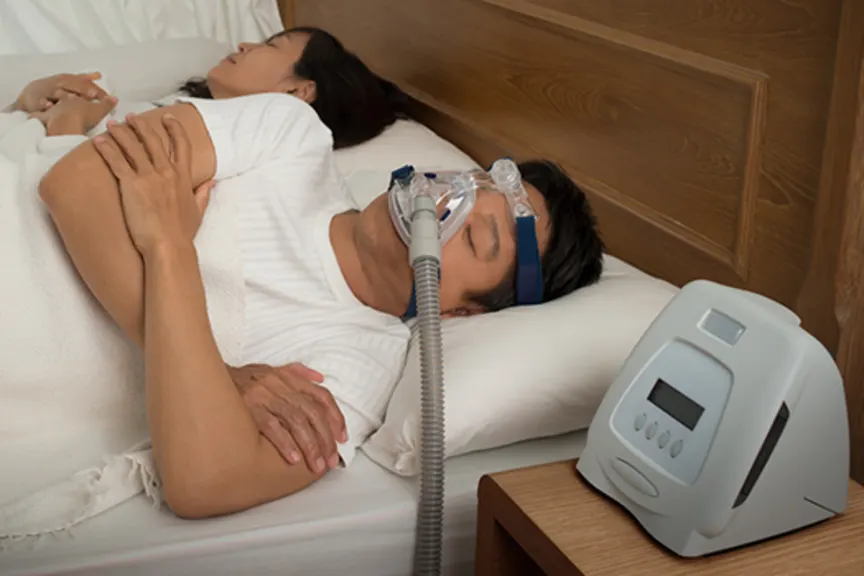
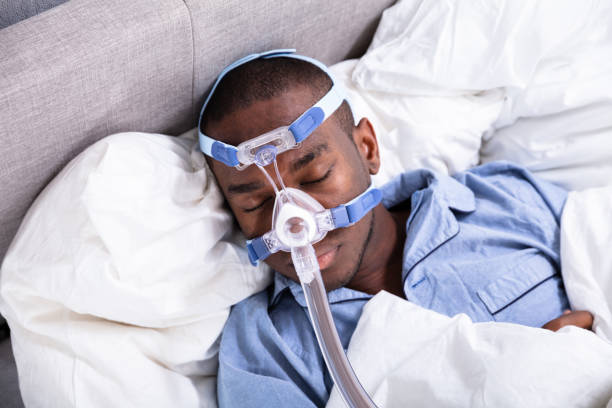
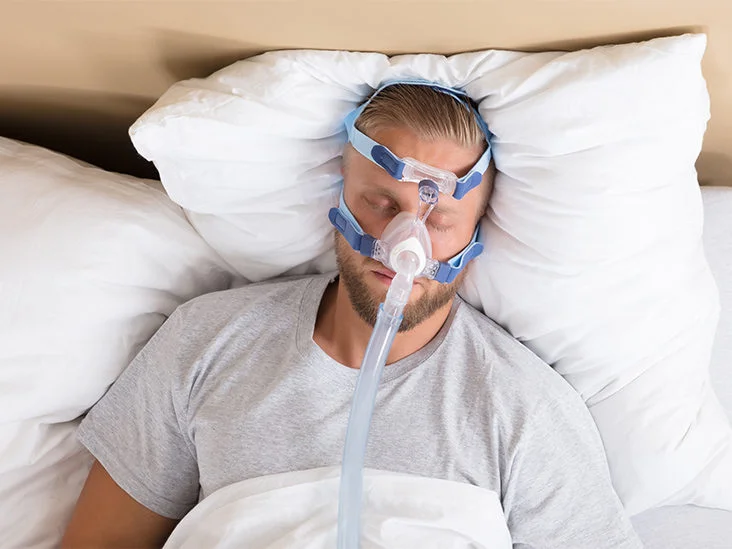
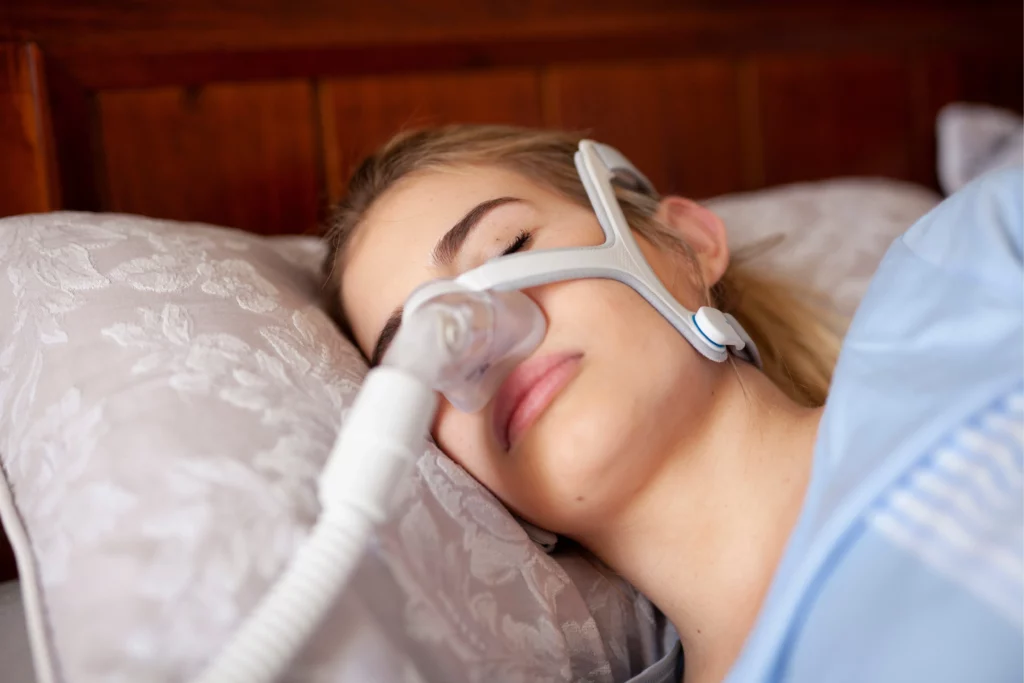
Nasal masks cover the nose and are often a popular choice for those who breathe primarily through their noses during sleep. These masks are generally lightweight and provide a good seal, making them suitable for many users. However, they may not be ideal for women who tend to breathe through their mouths, especially if they have nasal congestion.

Full Face Masks

Full face masks cover both the nose and mouth, making them a good option for those who breathe through their mouths. They can be particularly beneficial for women who experience nasal congestion or have a tendency to sleep with their mouths open. However, these masks can feel bulkier and may be less comfortable for some users.

Nasal Pillows

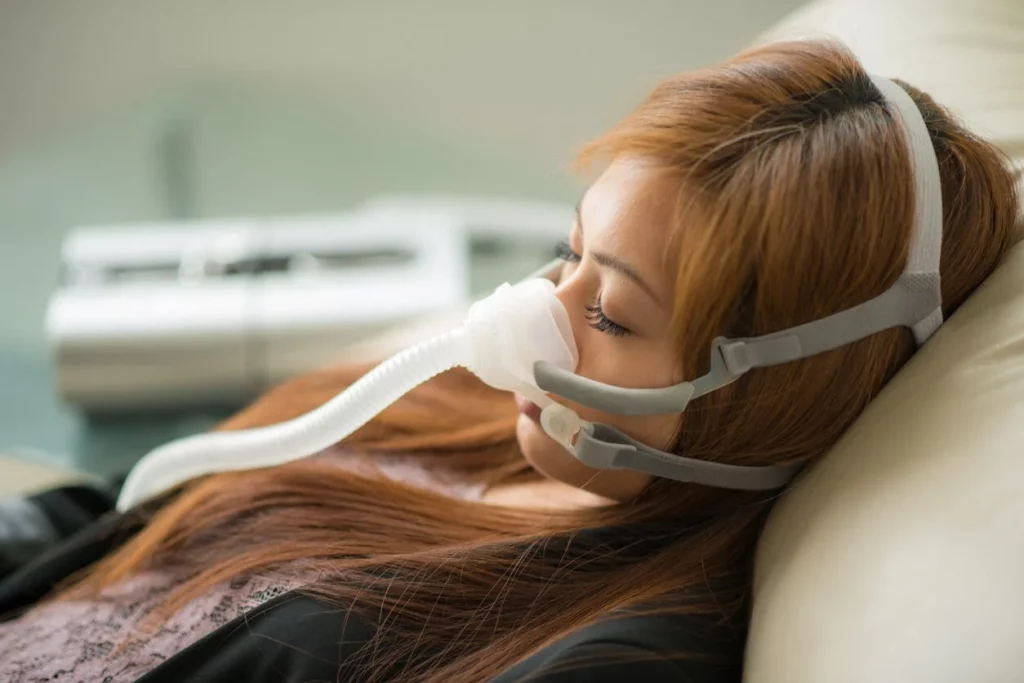
Nasal pillows are a less intrusive option that fits directly into the nostrils. They are ideal for those who prefer a minimalistic design and dislike the feeling of a mask covering their face. While nasal pillows can provide a good seal, they may not be suitable for everyone, especially those with sensitive noses.
cpap mASK

Top CPAP Masks for Women

When searching for the best CPAP masks for women, several models stand out for their comfort, fit, and user satisfaction. Here are some of the top options currently available.

1. ResMed AirFit N20 for Her

The ResMed AirFit N20 for Her is designed specifically for women, featuring a smaller frame and softer materials. This nasal mask provides an excellent seal and is comfortable to wear throughout the night. The adjustable headgear allows for a personalised fit, and the quick-release clips make it easy to put on and take off.

Additionally, the AirFit N20 for Her has a flexible cushion that adapts to facial contours, reducing the risk of leaks. Its lightweight design ensures that users can sleep comfortably without feeling weighed down. Click here to read more contours.

2. Philips Respironics DreamWear Full Face Mask

The Philips Respironics DreamWear Full Face Mask offers a unique design that allows for freedom of movement during sleep. This mask features a soft, silicone frame that sits under the nose and around the mouth, providing a comfortable fit without the bulk of traditional full face masks.

One of the standout features of the DreamWear is its adjustable headgear, which ensures a secure fit while remaining comfortable. The open design allows for better airflow and visibility, making it an excellent choice for women who prefer a less constrictive mask.

3. Fisher & Paykel Evora Nasal Mask

The Fisher & Paykel Evora Nasal Mask is known for its innovative design and comfort. This mask features a unique headgear that is easy to adjust and provides a secure fit without excessive pressure. The soft silicone cushion conforms to the face, ensuring a good seal while minimising discomfort.

Additionally, the Evora's lightweight design makes it ideal for women who may feel claustrophobic in traditional masks. Its compact size and ease of use make it a popular choice among female CPAP users.

Considerations When Choosing a CPAP Mask

Selecting the right CPAP mask involves more than just finding one that fits. Various factors should be taken into account to ensure the best possible experience.

Material Sensitivity

Many women may have sensitivities to certain materials used in CPAP masks. It is essential to choose masks made from hypoallergenic materials or those specifically designed for sensitive skin. This consideration can help prevent irritation and ensure a more comfortable experience.

Noise Levels

Some masks are quieter than others, which can be an important factor for those who share a bed with a partner. Choosing a mask known for its low noise levels can enhance the overall sleep experience for both the user and their partner.

Cleaning and Maintenance

Regular cleaning and maintenance are crucial for ensuring the longevity of a CPAP mask. Women should consider how easy it is to clean the mask and whether it is dishwasher safe or requires manual cleaning. Masks with fewer parts may be easier to maintain and keep hygienic.

Tips for Achieving the Best Fit

Proper Sizing

Before purchasing a mask, it is advisable to have a fitting session with a healthcare provider or a CPAP supplier. They can help determine the correct size and style that will work best for individual facial features.

Adjusting Straps

Once the mask is in place, adjusting the straps correctly is crucial. Straps should be snug but not overly tight, as this can cause discomfort and lead to pressure sores. A well-adjusted mask will create a good seal without excessive pressure.

https://www.youtube.com/watch?v=qC4mhBBhJLQ&t=9s&pp=ygVFQmVzdCBDUEFQIE1hc2tzIGZvciBXb21lbjogRmluZGluZyBhIFNtYWxsZXIgYW5kIE1vcmUgQ29tZm9ydGFibGUgRml0

Regularly Replacing Masks

CPAP masks should be replaced regularly to ensure hygiene and effectiveness. Most manufacturers recommend replacing masks every three to six months, depending on usage and wear. Keeping an eye on the condition of the mask can help maintain the quality of therapy.

Conclusion

Choosing the right CPAP mask is vital for women seeking effective treatment for sleep apnoea. With various options available, it is essential to consider factors such as fit, comfort, and usability. Masks like the ResMed AirFit N20 for Her, Philips Respironics DreamWear Full Face Mask, and Fisher & Paykel Evora Nasal Mask offer excellent choices tailored to women's needs.

Other reorces: How to Travel with a CPAP Machine Without Hassle
CPAP Masks

8 Things to Know About CPAP Masks Before You Buy One

A CPAP mask is a proven and effective way to manage your sleep apnea, especially if you are not ready for surgery. When you now choose CPAP therapy to handle the situation, there is certain information you should be privy to for safety. Moreover, the better prepared you are, the more comfortable you get with the CPAP machine.

Since CPAP therapy is a non-invasive way to manage Obstructive Sleep Apnea (OSA), it is vital to get all the information that can help you. Unfortunately, many patients started with doubts about the effectiveness of these methods, and they got the wrong information from the start. That is why we are putting this article out there so you can find the truth about CPAP masks.

Instead of picking from the rumors flying around about these face masks for sleep apnea, you can believe a proven fact. What is the best sleeping position for patients who use full face masks? Below are eight basic principles of points about CPAP masks that you must know before you buy a CPAP machine for therapy.

All CPAP machines are not the same

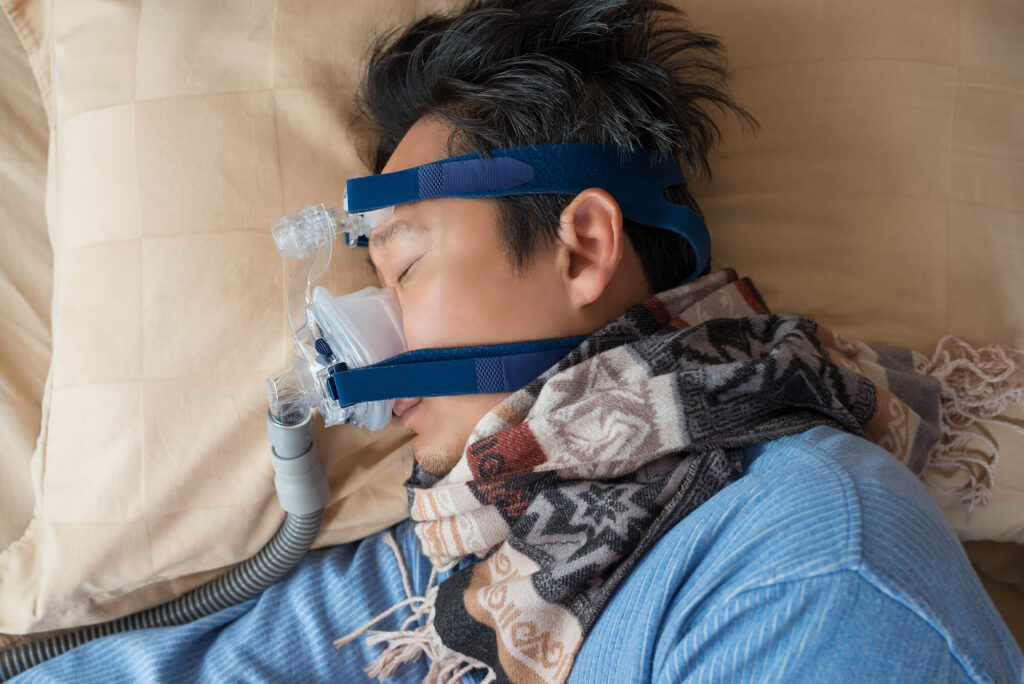
No matter what anyone has told you, you should first know that none of the CPAP machines with the CPAP masks are precisely the same. No doubt, they perform similar functions, but they do so to different degrees, and they differ in many other attributes. For example, some of these CPAP masks cover the nose and mouth, while others are designed as nose masks only.

Below are the basic types of CPAP masks that are available in the market:

  • Fixed CPAP: a fixed CPAP mask maintains the preset level of air pressure throughout use at night. It does not change for any reason until you wake up.
  • Automatic CPAP: as the name sounds, the automatic CPAP mask or machine can adjust to the level of the air pressure it senses from the body condition. For instance, when you begin to breathe more quickly, the automatic CPAP masks lower the pressure while sleeping. On the other hand, if the machine detects that your body is having some nasal congestion in the airway, it increases the pressure until the pathway is clear.
  • BiPAP: the BiPAP, as the name sounds, works with two different pressure levels depending on which breathing activity is going on. For example, it has a higher iPAP when the patient is inhaling air and a lower EPAP when exhaling air. The CPAP masks maintain constant pressure that enables them to breathe comfortably

You may need the CPAP machine to sleep every night.

Perhaps, you think wearing the CPAP mask is just a one-time affair. Well, you're mistaken. The device does not cure the OSA condition; instead, it simply manages it by keeping your airway open during sleep. In addition, this procedure is not permanent, so you may need to stick to the CPAP mask for as long as you want, except if you wish to have surgery to correct the condition.

Moreover, this CPAP therapy is non-invasive, ensuring you can keep having a safe and sound sleep. It is also convenient, and you can get used to it quickly. You only need to wear the CPAP mask when you want to sleep and not carry it during the day. However, note that any night you refuse to use the CPAP mask, your airway may collapse again to a devastating effect.

You cannot discontinue CPAP therapy except after surgery

Until you decide to have corrective surgery on your sleep apnea, you may have to stick to the CPAP mask. Please don't believe the discontinuation of the CPAP mask, irrespective of how long you have used it. Even if you feel more relieved with it when sleeping, it is not an indication to stop using it.

The reason is simple: the principle of the machine is a managing one and not a curing effect. It contains the root cause of the OSA, but only surgery can permanently cure the condition. However, we understand some people may struggle with using the CPAP mask, which is why you need a physician or a sleep coach before you start or stop.

Even after losing weight, you may still need the CPAP machine

While weight loss is a massive factor in the severity of sleep apnea symptoms, it does not necessarily remove the condition. An exception to that case is when earlier diagnoses have linked your inability to sleep well with your weight. In such a case, you may need to discontinue the CPAP therapy when you lose significant weight. However, let it be by doctor's prescription.

On the other hand, if the weight loss is due to another illness, there is no reason to stop the CPAP mask. In all, consult a doctor or a sleep coach to make the right decision after assessing the entire situation of your OSA. Meanwhile, the medical expert could also recommend running your CPAP machine on a lower pressure or asking you to stop the whole CPAP therapy.

CPAP does not lead to infections

How wrong will it be for a health device to have side effects such as other infections? Don't believe that lie. There is no doubt that your body needs time to adjust to using the device for the first time. This condition may cause uneasiness due to a dry or stuffy nose in the early days.

As a result, some people thought it could lead to a bacterial or viral infection, but none of that could be linked to using a CPAP machine. However, the machine could aggravate the situation if you already have a nasal infection. A nasal mask is supposed to protect you against sleep apnea and not cause another disease. 

CPAP masks are still safe even with power cuts

In case of a power outage, while you sleep, the CPAP is safe because it does not suffocate. The machine's build also provides an exhalation port where air can be released when using the CPAP device. The correct CPAP mask should ease the CPAP users, not add to their worries. The CPAP masks remain safe for use even when there is a power disconnection.

According to the sleep specialist, the variety of mask types makes it possible for users to pick the best CPAP masks. These masks are without air leakage and do not cause skin irritation. In addition, it may have other peculiar features such as a forehead support, chin strap, silicone cushion, and other essential parts of masks. On the other hand, with indirect airflow, CPAP masks can also work for even those who feel claustrophobic.

Discomfort with the CPAP mask cannot stop your sleep

The CPAP mask can help you breathe while you sleep. But if you don't feel comfortable with its use, you can freely sleep when you adjust the device to the correct settings. Moreover, the modern versions of the CPAP device are non-obtrusive and quiet. Right CPAP masks should not stop you from watching TV or wearing glasses.

The face CPAP mask can also support a nasal pillow mask, which may belong to any of the CPAP mask categories for a comfortable fit. Perhaps your sleep quality may also be related to your bed type. How you wear the headgear may depend on the sleep apnea mask and how it suits you. The best option includes the best CPAP masks and the nasal pillows with a cradle cushion. 

You may only feel uncomfortable when you begin to use it. You can enjoy your sleep again without feeling uneasy as soon as you get over that period. The price of the CPAP treatment and the effectiveness of managing your OSA is worth the effort of the therapy. 

Nothing looks unattractive about the CPAP masks

While some desperately need the CPAP setup's solution, they still want the good feeling of not using anything. Some have assumed that using such a device to sleep may indicate old age or inability to sleep usually. In other cases, others perceive people with CPAP masks as being unattractive.

However, research has shown that people who started to use sleep therapy to sleep looked better, well-rested, energetic, and youthful. Therefore, one can infer that the effectiveness of CPAP masks in getting quality sleep impacted their overall health. Therefore, you can 

Conclusion

Finally, adopting CPAP masks when the doctor prescribes using sleep therapy is a great decision to make. At the same time, it comes with different options that allow you to test and pick what works best for you. Also, consult a sleep coach or a medical specialist to ascertain your need for a CPAP mask. Then, we can provide you with the best options to pick for maximum